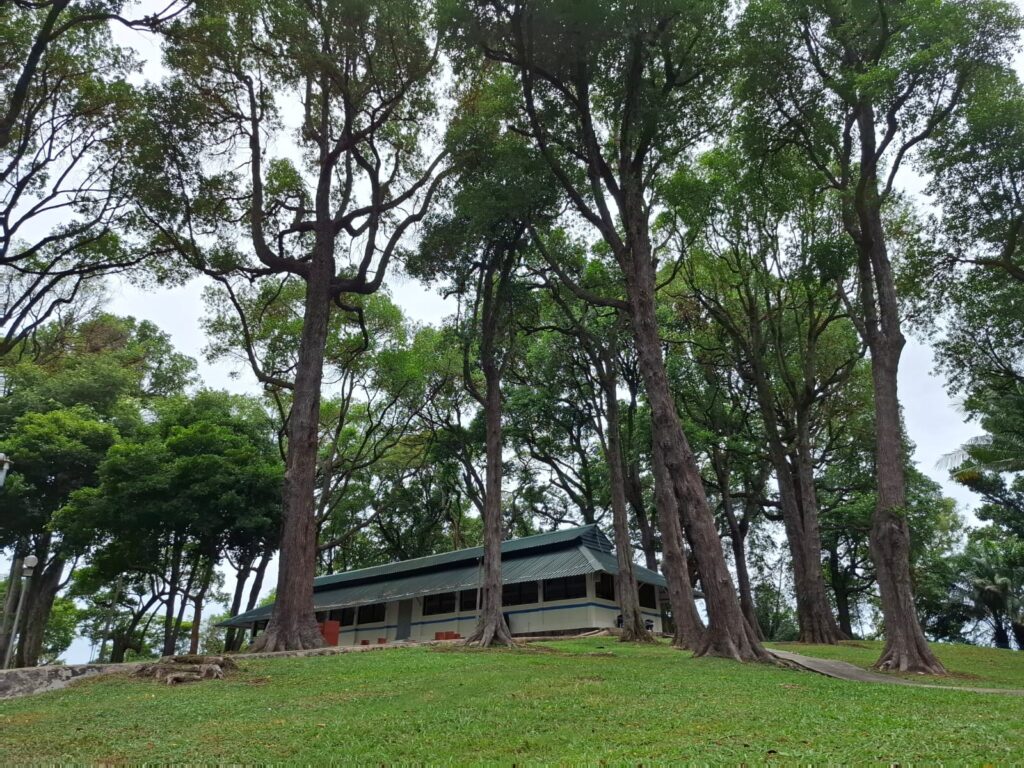
Organised by Cicada Tree Eco-Place in conjunction with Pesta Ubin 2026
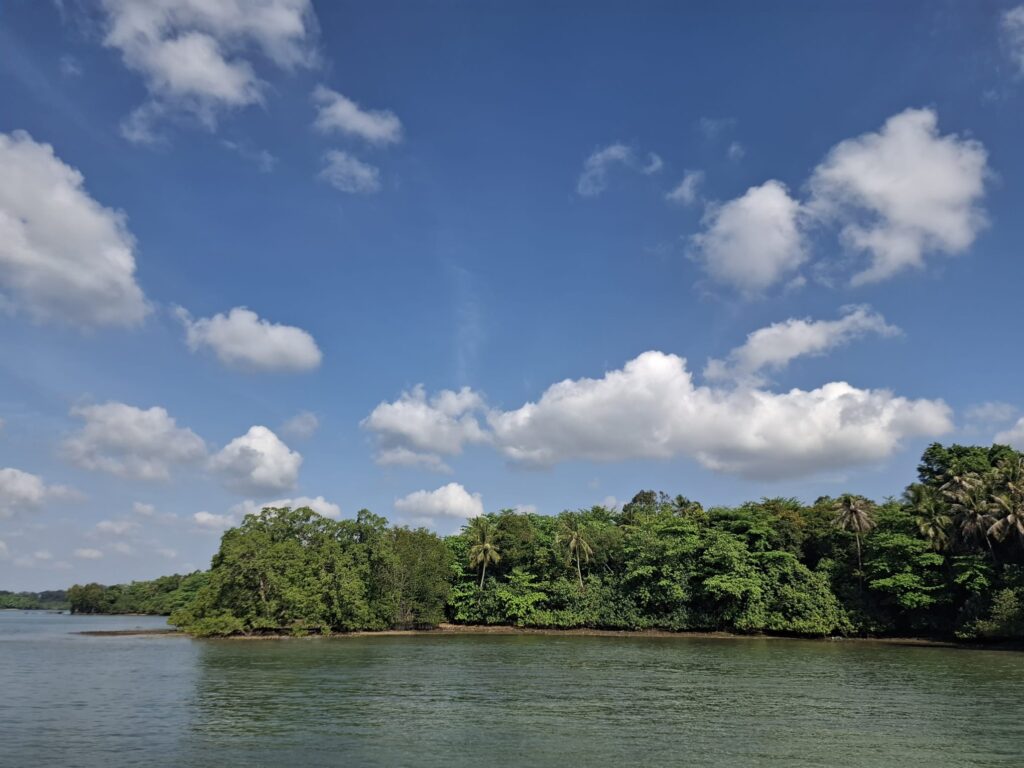
Join us for a guided nature walk at Pulau Ubin as we explore the fascinating world of cicadas and butterflies in one of Singapore’s most unique natural habitats.
Discover the sounds, colours, and stories of these incredible creatures while connecting with nature alongside fellow nature lovers and curious explorers.
This walk is perfect for families, friends, nature enthusiasts, and anyone who wants to slow down, learn something new, and experience the natural beauty of Pulau Ubin.
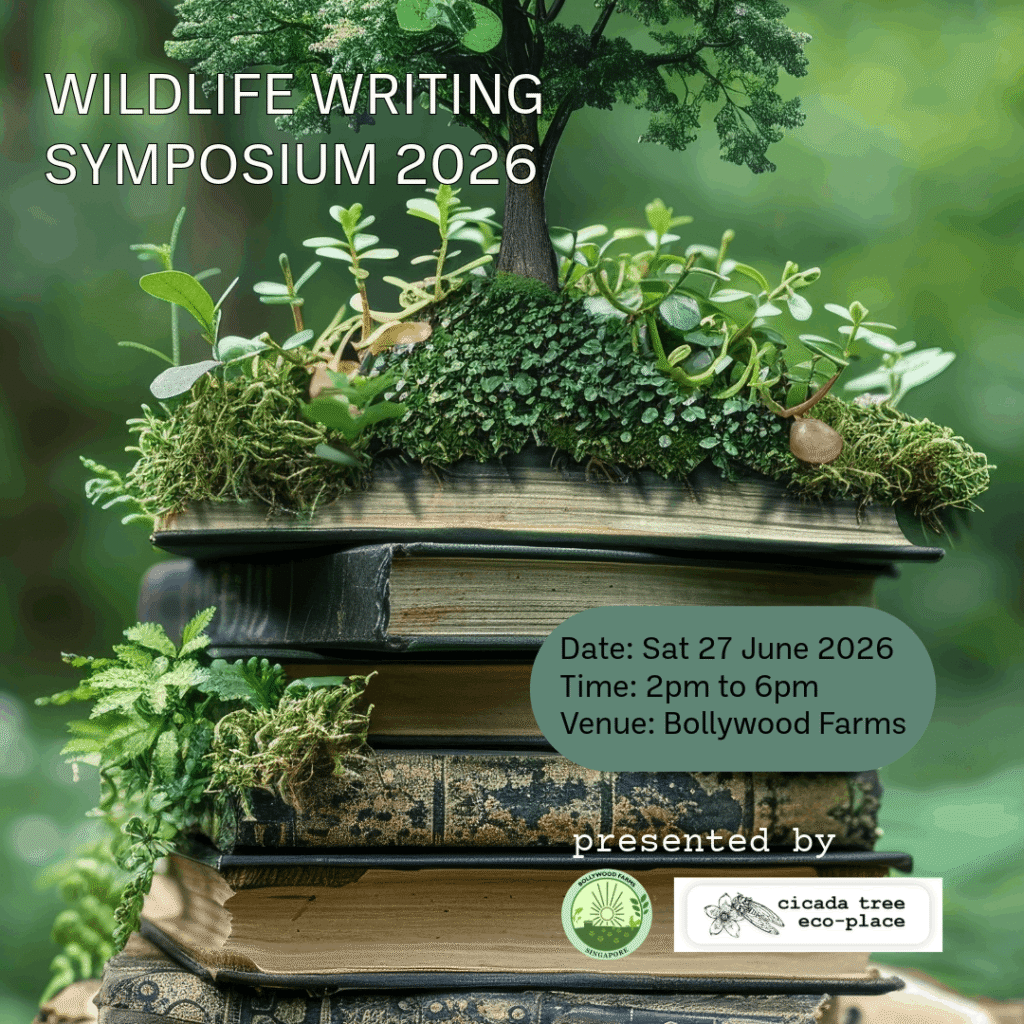
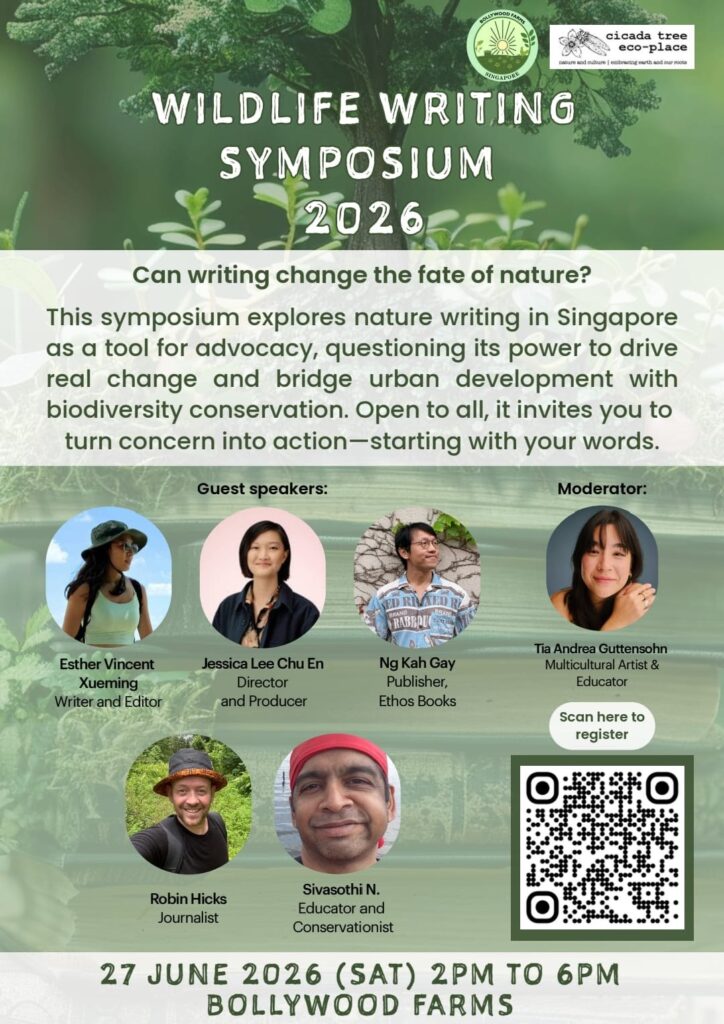
Can Wildlife Writing in Singapore Foster a Paradigm Shift for Nature Conservation? Presented by Cicada Tree Eco-Place and Bollywood Farms
Date: Sat 27 June 2026 Time: 2pm to 6pm Venue: Bollywood Farms Address: 100 Neo Tiew Road , Singapore 719026 Transport: Shuttle-bus from Kranji MRT Station to Bollywood Farms, and vice versa, provided. Charge: SGD30.00 per participant, includes refreshments. Part proceeds will go towards Trees for Tigers To register: https://forms.gle/ob1F7kmMF5xekMPt8 one form per participant
Programme overview This Symposium foregrounds nature writing in Singapore – author, editor, journalist, poet, publisher and biodiversity blogger come together to share the importance, efficacy, urgency and challenges of increasing eco-literacy for nature conservation.
Who should attend? Open to all nature lovers, writers, poets, and anyone concerned about biodiversity loss and climate crises, this session aims to motivate and empower participants with the agency and confidence to implement change by picking up their pens!
Programme highlights Presentations/sharings by 5 speakers:
Esther Vincent Xueming: “Returning Home through Ecowriting”
Jessica Lee Chu En: “Nature in nonfiction, from screen to book”
Ng Kah Gay: “Enhancing public ecoliteracy”
Robin Hicks: “The challenges of nature journalism in Singapore”
Sivasothi N.: “Blogging beyond the classroom – a meaningful advocacy tool”
Fringe activities
Guided Nature Walks by Cicada Tree Eco-Place (Guides – Andrew Tay and Tan Hang Chong (starts at 5pm )
Book Sale by Ethos Books
Pantun Booth by Baba Gabra
Outreach Booth by Cicada Tree Eco-Place
Symposium schedule
1:30pm Registration opens
2:00pm Welcome remarks by Teresa Teo Guttensohn (Co-founder, Cicada Tree Eco-Place) and Lynn Ee (General Warrior, Bollywood Farms)
Opening performance by singer-songwriter lewloh
“Returning Home through Ecowriting” by Esther Vincent Xueming (Writer & Editor) Synopsis In times of crisis, grief and loss, writing can be a powerful way to ground ourselves and bring us home. What is an ecopoem but a love song to the earth? In tending to our words, we tend to our hearts, and in doing so, return home to our original state of wholeness and peace. Esther will read and share some poems from womb song, as well as excerpts from her personal essays if time permits.
“Nature in non-fiction, from screen to book” by Jessica Lee Chu En (Director & Producer) Synopsis How can stories about nature be told across both screen and page, and what possibilities does each medium offer? This talk explores how nonfiction engages with the natural world through film and writing, where visual storytelling brings immediacy, texture, and emotional resonance, while long-form writing opens space for depth, reflection, and the recovery of overlooked histories. Drawing on Secret Lives of Trees and a forthcoming book on the history of trees in Singapore, it considers how both mediums, in their own ways, expand the ways nature can be seen, understood, and remembered within a landscape where it is deeply intertwined with development and identity.
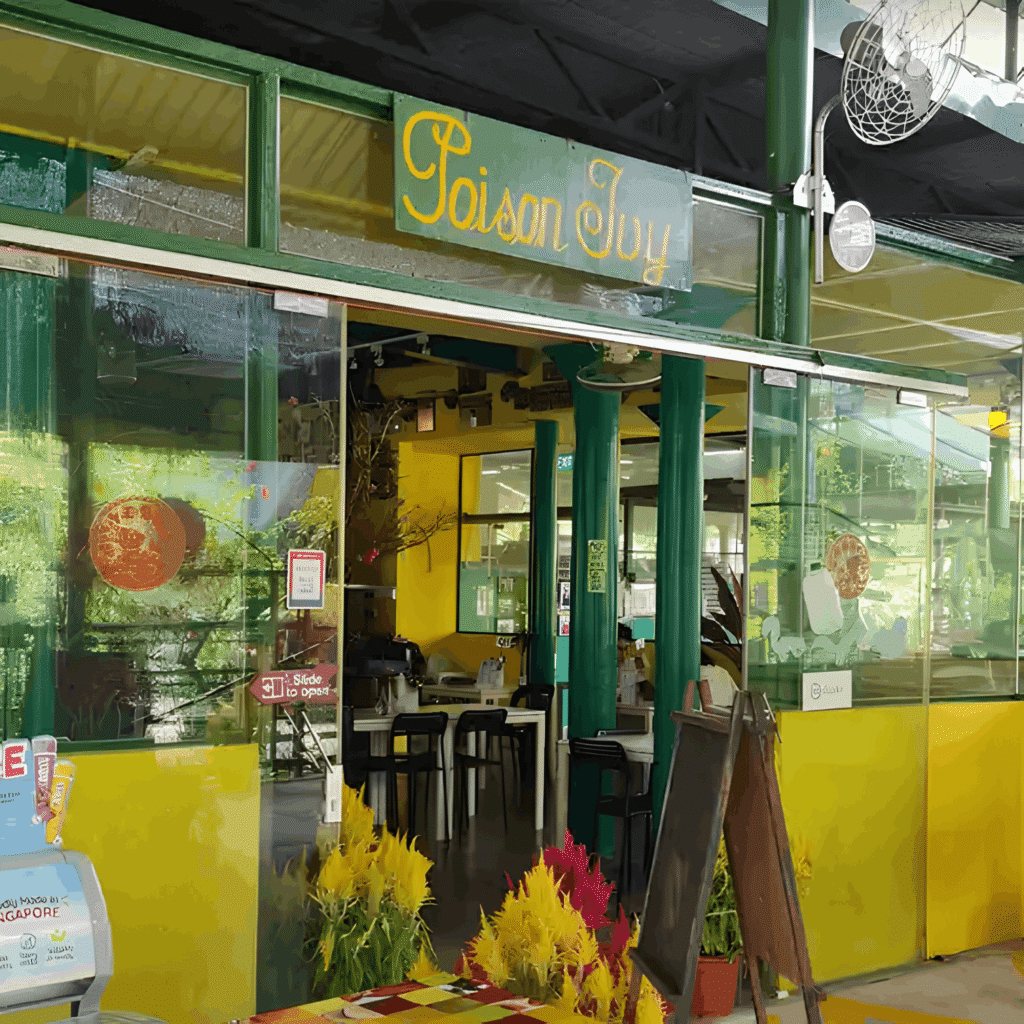
3:00pm Tea break – plant-based makan by Poison Ivy Bistro
3:30pm Pantuns performed by Baba Gabra
Enhancing public eco-literacy by Ng Kah Gay (Publisher, Ethos Books) Synopsis In the right hands, knowledge can become a tool for raising awareness, building shared consciousness, and motivating collective practices. Our hope is for eco-literacy to shape policies and drive behaviours that will carve out spaces more hospitable to nature. For this to happen, we must better understand the logic of capitalist economies, to introduce structures compatible with our nature as interconnected beings. We need economic models that enable shared access and learning in order to enhance public eco-literacy.
“The challenges of nature journalism in Singapore” by Robin Hicks (Journalist) Synopsis What are the challenges of reporting on nature in Singapore, where press freedom is limited and environmental narratives often intersect with state priorities? Nature reporting holds transformative potential. But selfcensorship, limited access to data, and the difficulty of openly critiquing policy decisions can compromise its impact.
“Blogging beyond the classroom – a meaningful advocacy tool” by Sivasothi N. (Educator & Conservationist) Synopsis In an era of rapid, fragmented digital communication, blogging offers a platform to develop writing skills while enabling advocacy and stewardship for nature. Even modest early writing can feed the curiosity of how nature sector functions and thinks in Singapore. Since the 2000s, this intersected public discourse, from Chek Jawa and the Cross Island Line to migrate to closed door structured engagements. The current discourse over ongoing EIAs, agency collaborations, and media consultations was built partly on the credibility and trust initially established within the often still cautious civic landscape. The searchable repository of observations and ideas helps deepen understanding among researchers, students, practitioners, and the public at large, and enhances ground voices into the evolving public record of ecological understanding and action over time.
4.30pm to 5:00pm Q&A session with Guest Speakers moderated by Tia Andrea Guttensohn (Multicultural Actor and Educator)
6:00pm End of event
Enquiries on symposium
Please email Cicada Tree Eco-Place at contactctep@gmail.com Attn: Teresa Teo Guttensohn and Rominia Leonard
Part proceeds will go towards Trees for Tigers*
A portion of the symposium proceeds will support Trees for Tigers, a habitat restoration initiative by the Malaysian Conservation Collective at the Sungai Yu Ecological Corridor in Pahang — a vital wildlife corridor that connects two major forest landscapes.
Your participation will directly help fund the planting and maintenance of 100 new saplings, while also supporting the continued care of 500 trees planted previously.
By joining this symposium, you are not only supporting nature writing and eco-literacy, you are also helping restore habitats for wildlife and protect a landscape that matters.
Experience the rustic charm of Pulau Ubin. This year’s theme is “Share the Island, Shape the Future”. Discover the island’s hidden treasures through an exciting array of activities, including guided walk by Cicada Tree Eco-Place.
Pesta Ubin and Ubin Day Pesta Ubin: 8 to 21 June 2026 Ubin Day: 20 June 2026, 9am to 1pm
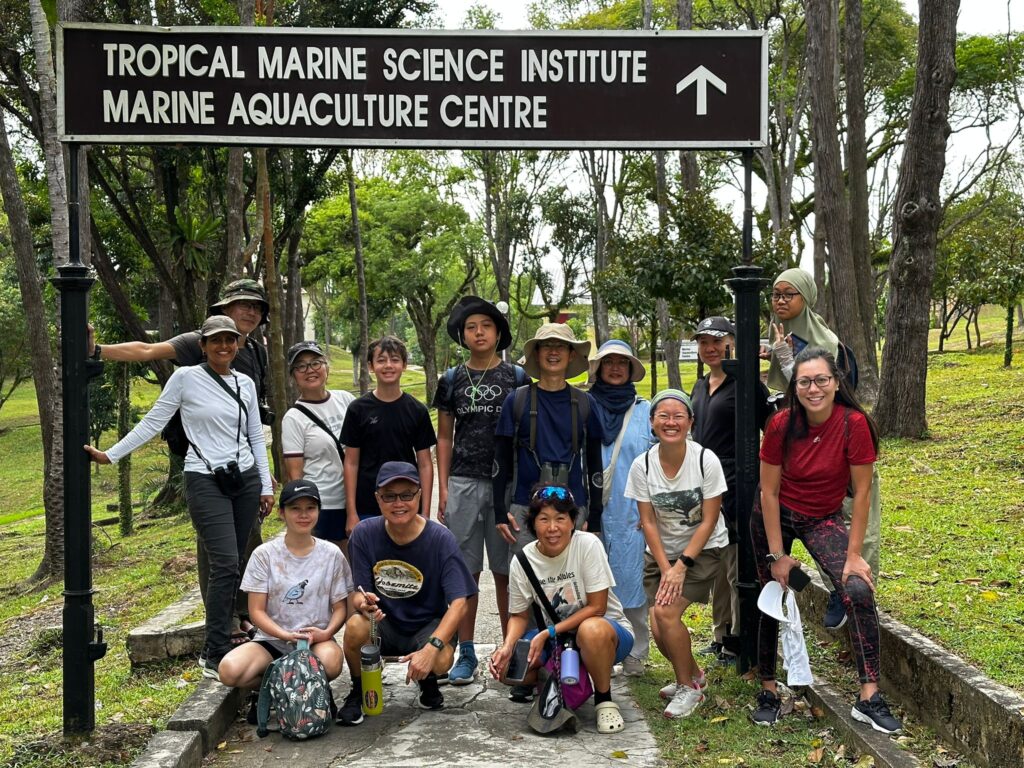
Songs of Cicadas & Butterfly Kaleidoscope Date: Sat 20 June 2026 Time: 3pm to 5pm Charge: Free Guided walk is open to public, registration required. Limited slots. Save the date and watch this space for registration link.
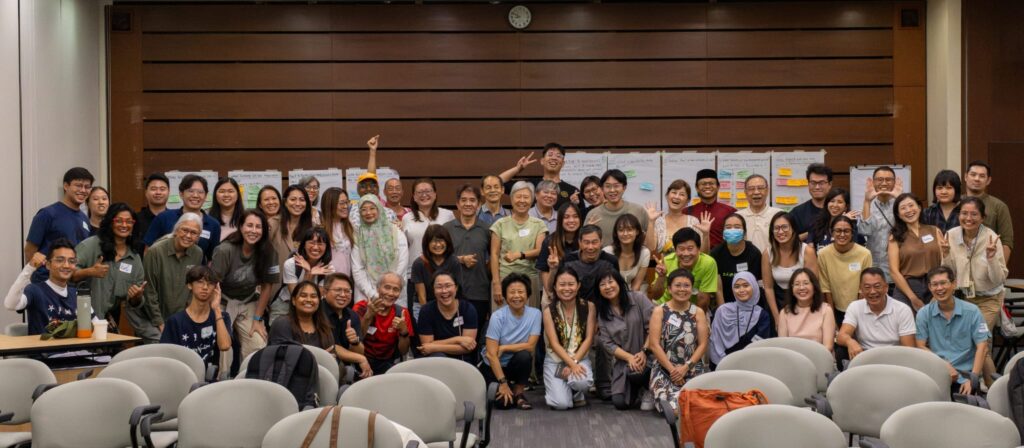
Pesta Ubin Organisers Get-Together on 2 April 2026 at Singapore Botanic Gardens, Botany Centre (Function Hall) by NParks. Representatives from Cicada Tree Eco-Place were Rominia Leonard, Teresa Guttensohn and Radiah Rizal (standing back row, centre-left), and Tan Hang Chong (seated in the front row, right).
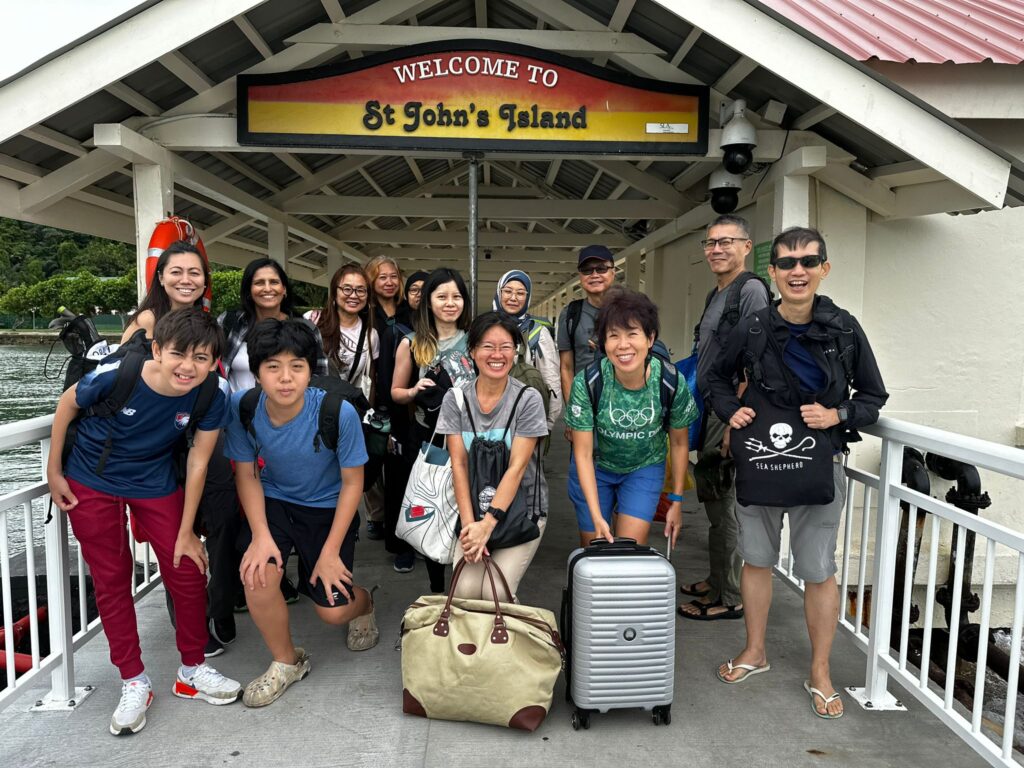
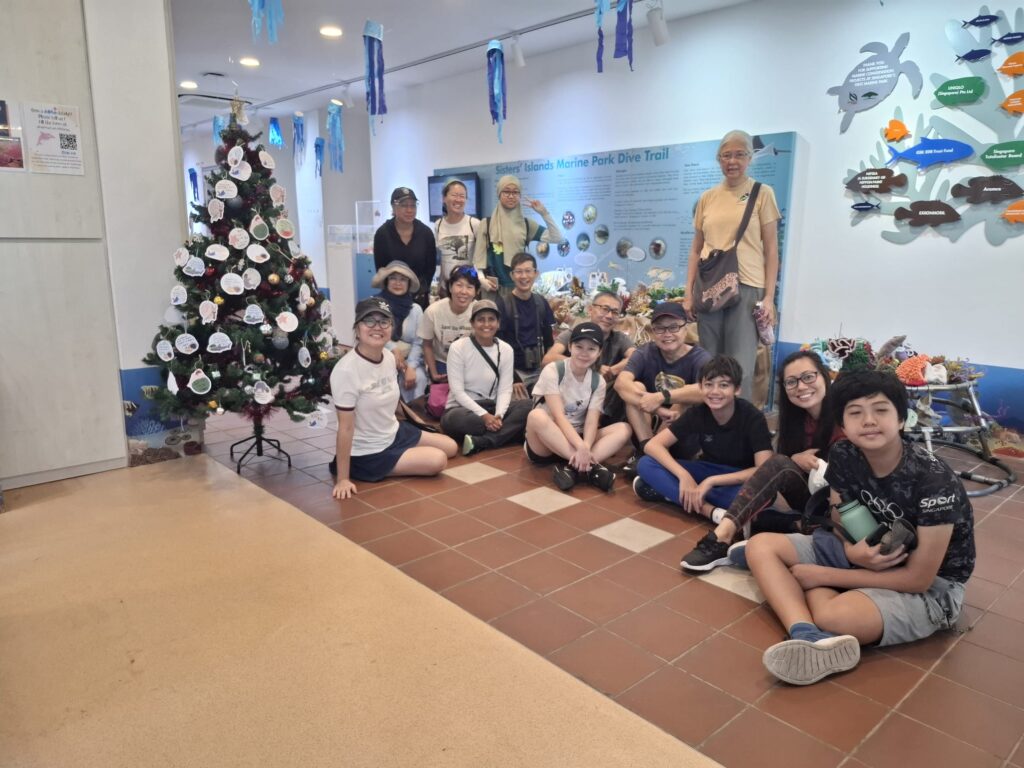
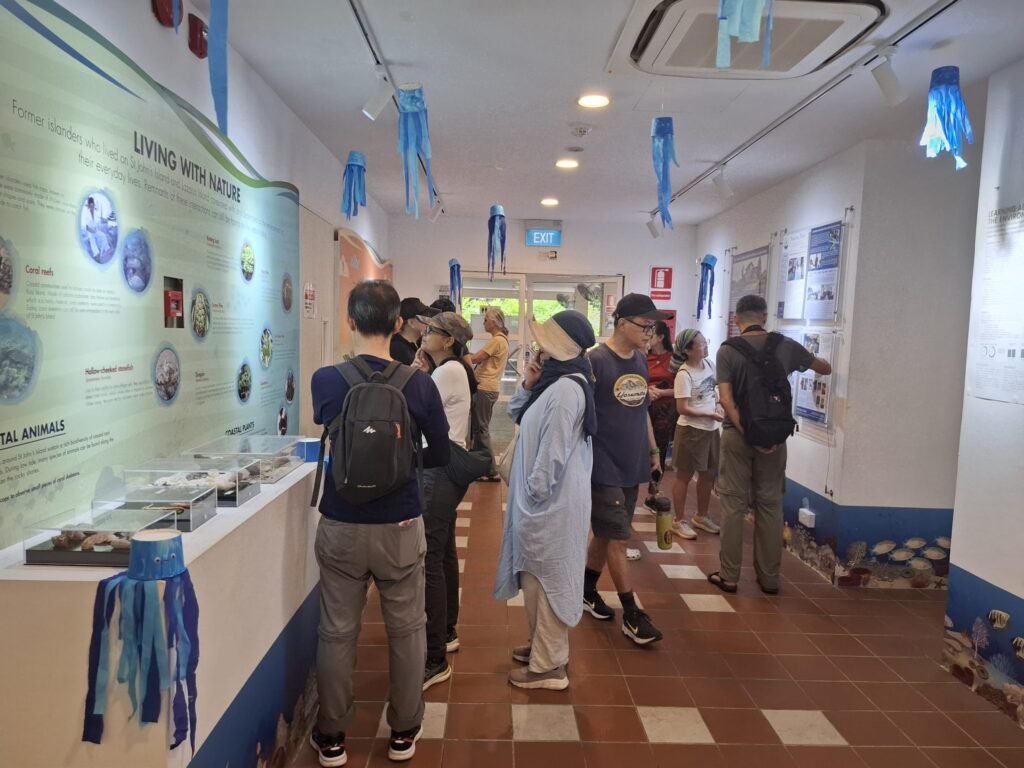
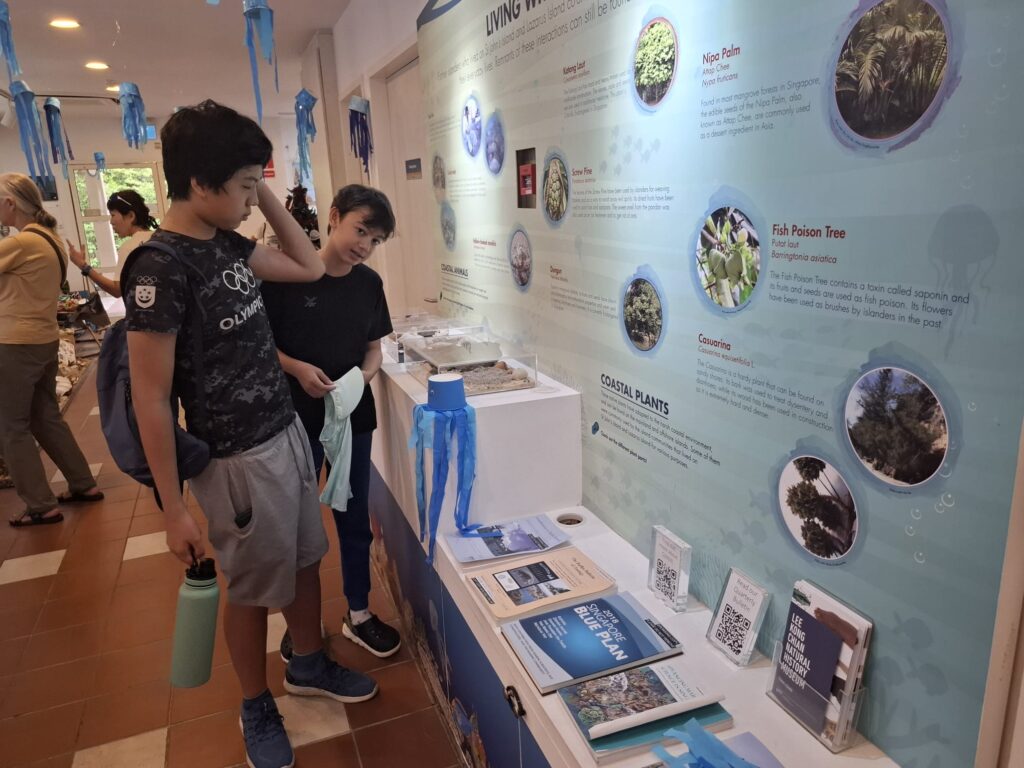
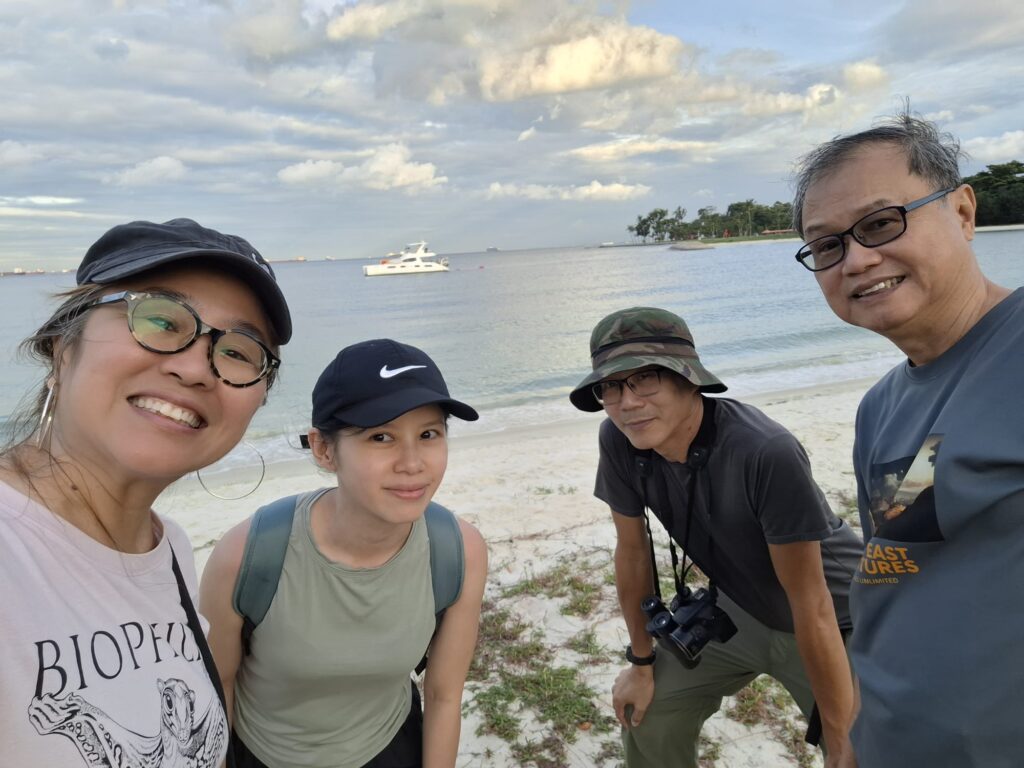
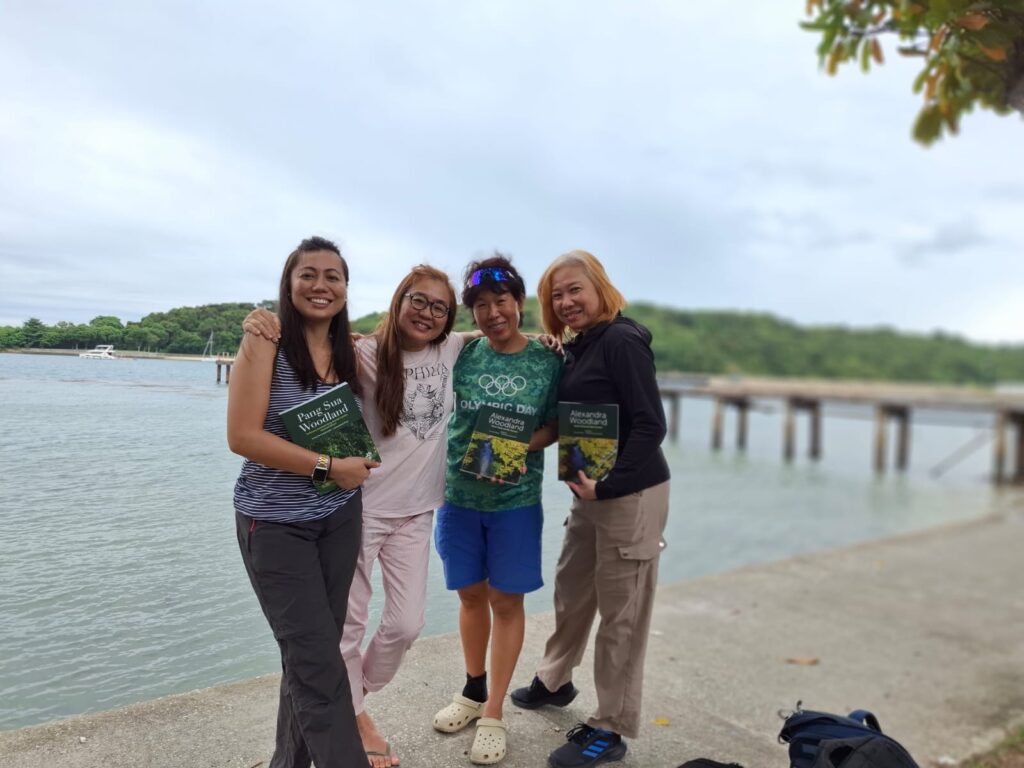
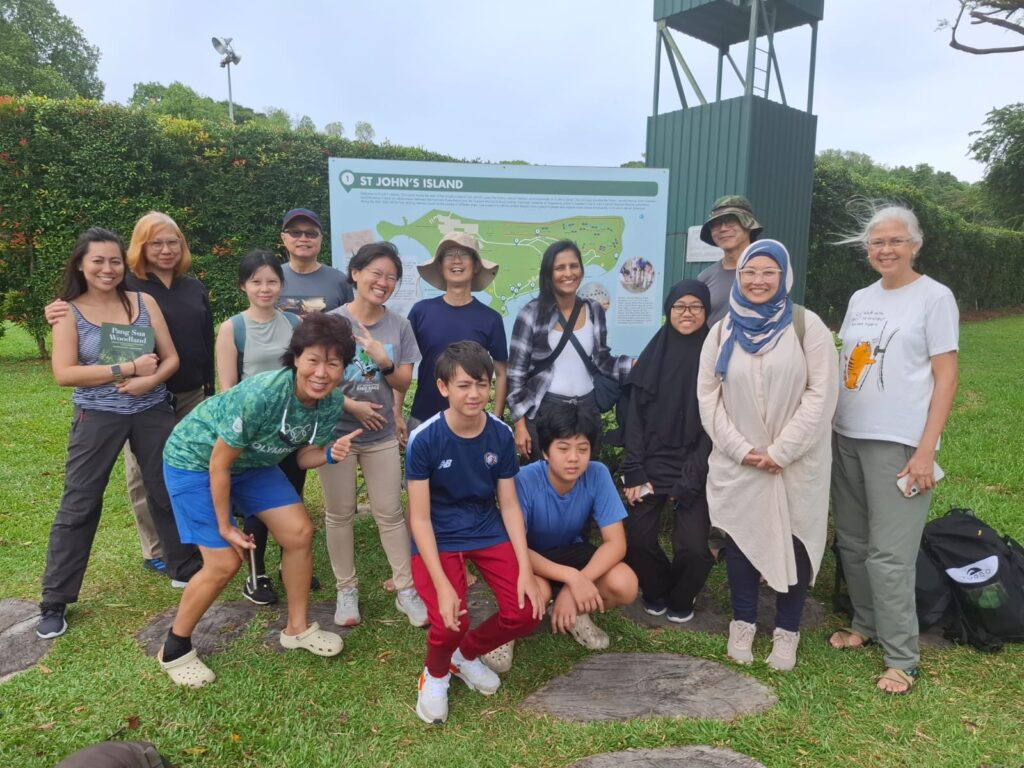
The St. John’s and Sisters’ Islands Family Nature Camp, organised by Cicada Tree Eco-Place, took place from December 10th to 11th, 2024. Participants embarked on a rejuvenating two-day nature adventure, exploring the rich flora and fauna of St. John’s and Sisters’ Islands. The camp offered a rare opportunity to connect with nature and fellow enthusiasts in an idyllic setting, filled with educational walks, hands-on conservation efforts, and the serene beauty of these hidden gems in Singapore.
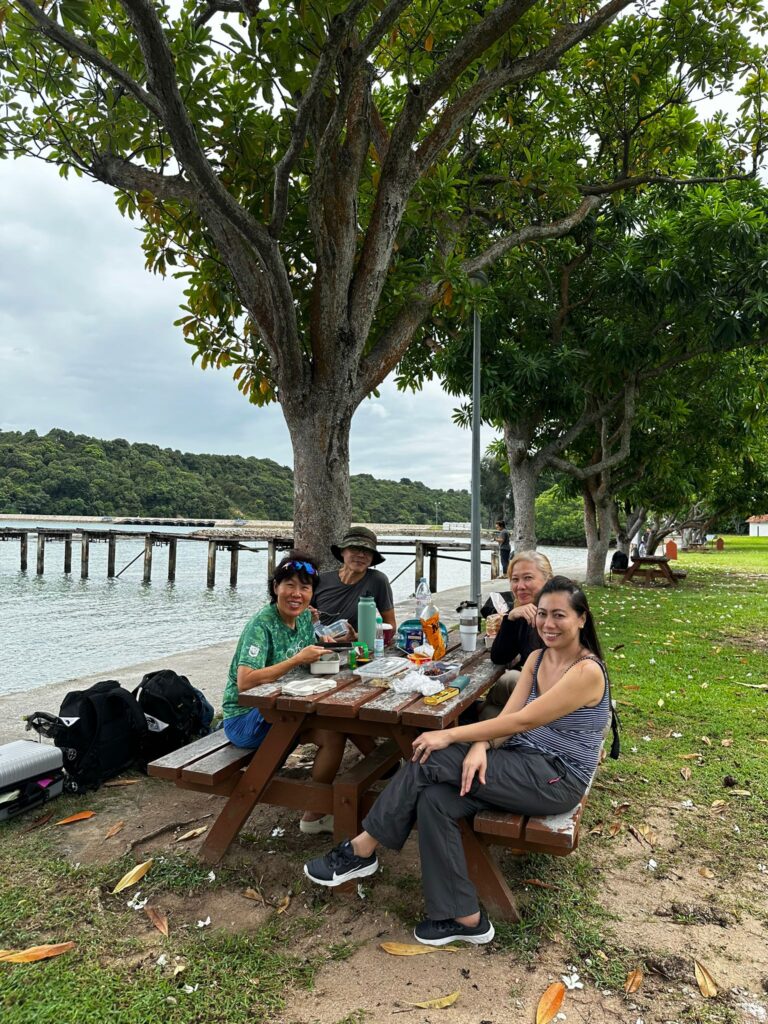
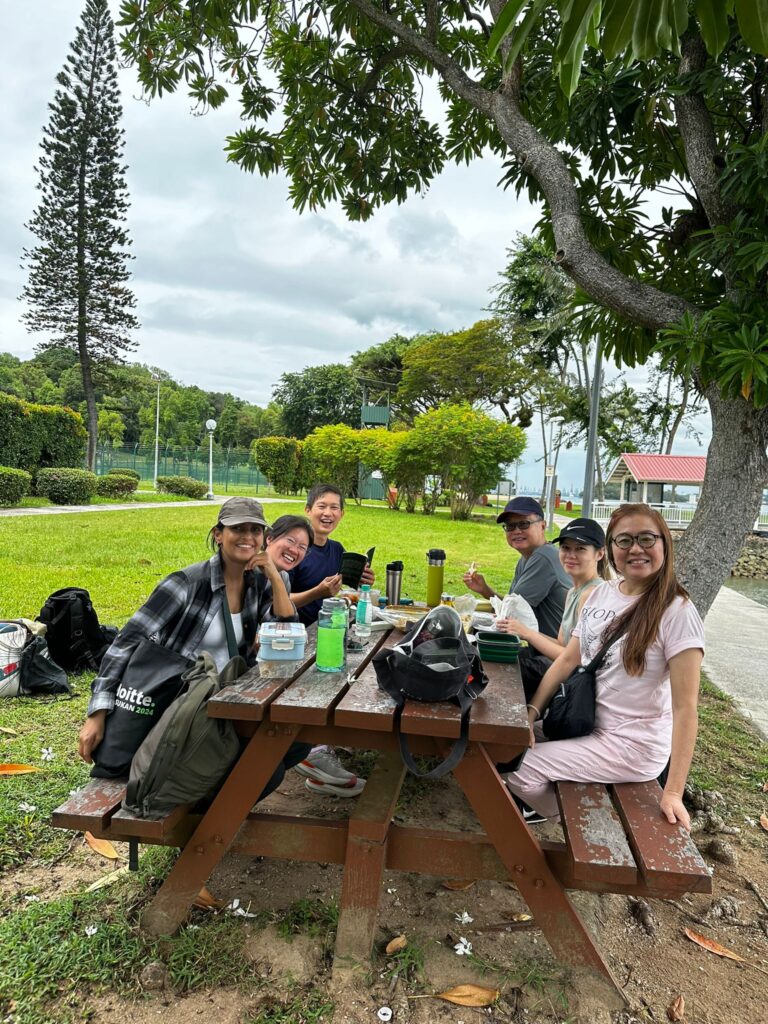
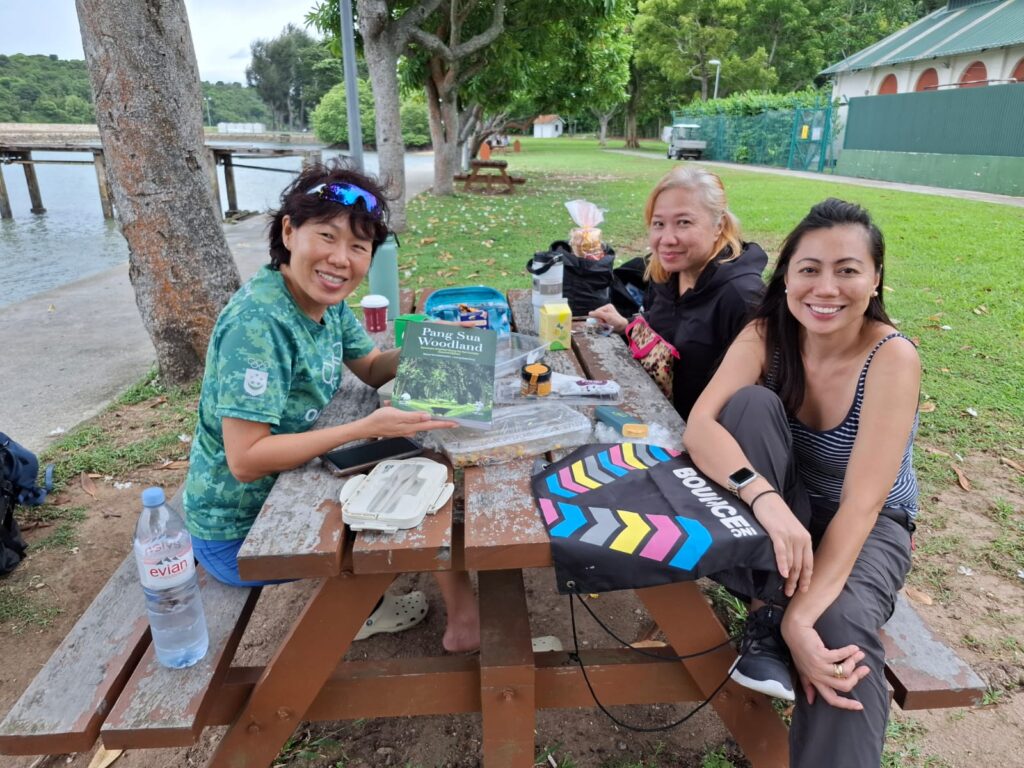
Day 1: St. John’s Island The adventure began at Marina South Pier, where participants gathered for the ferry ride to St. John’s Island. With packed lunches in hand, the group embarked on their journey, eager to explore the island’s natural wonders. Upon arrival, the group enjoyed a scenic picnic lunch and shared books and poetry on conservation.
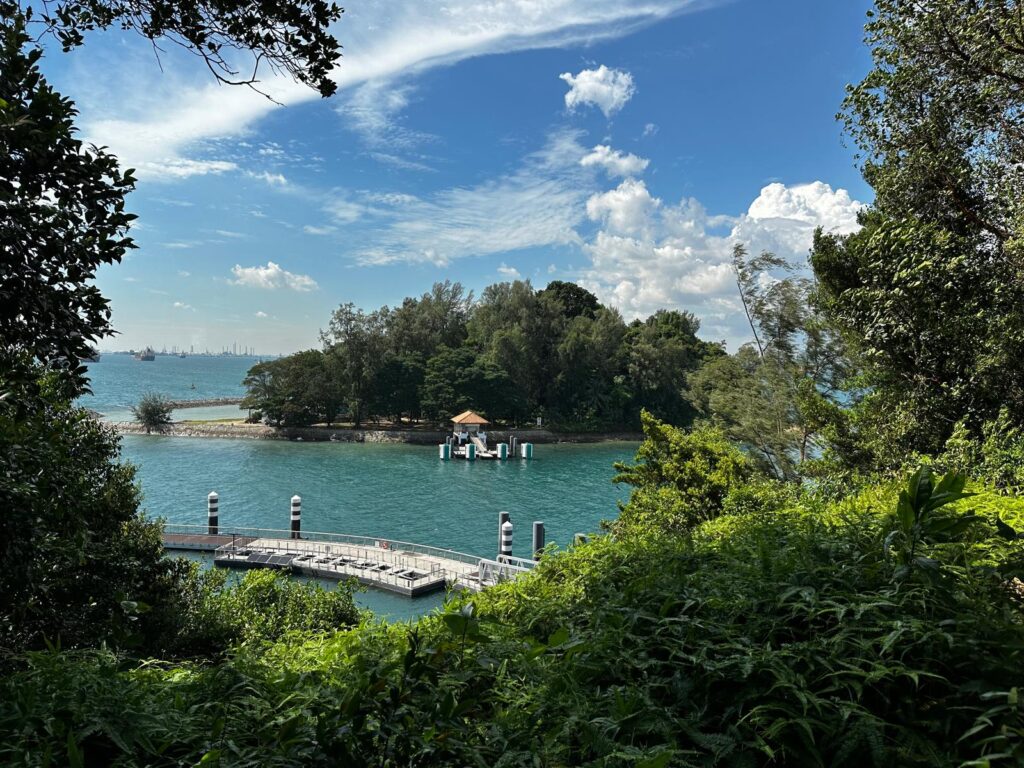
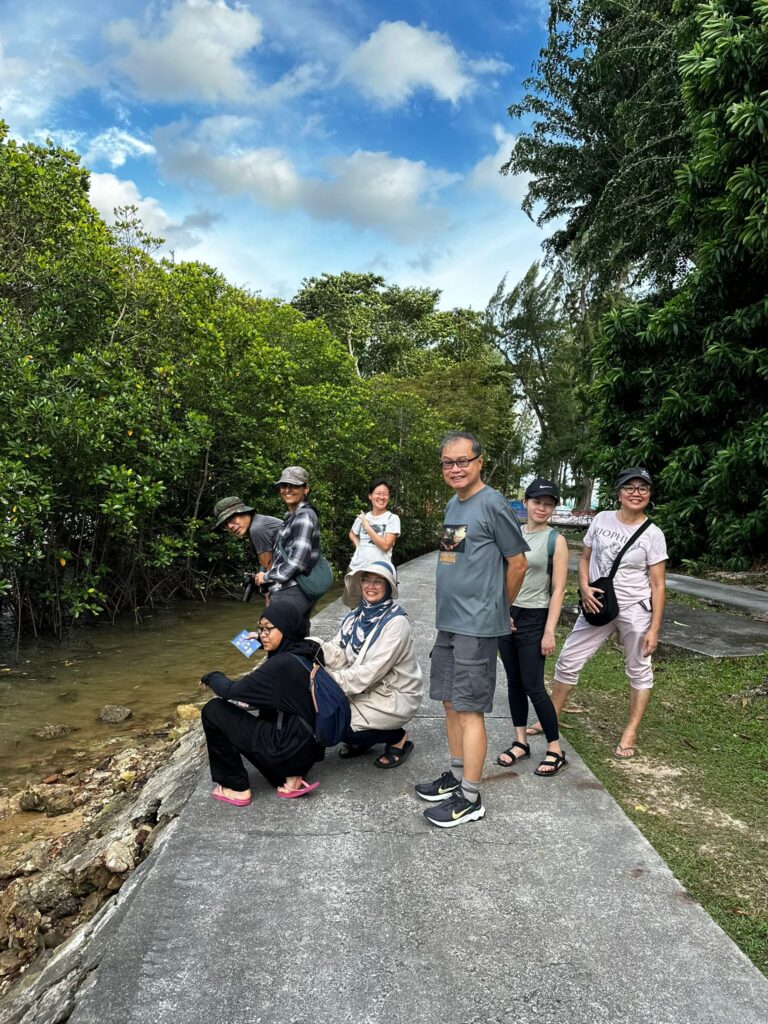
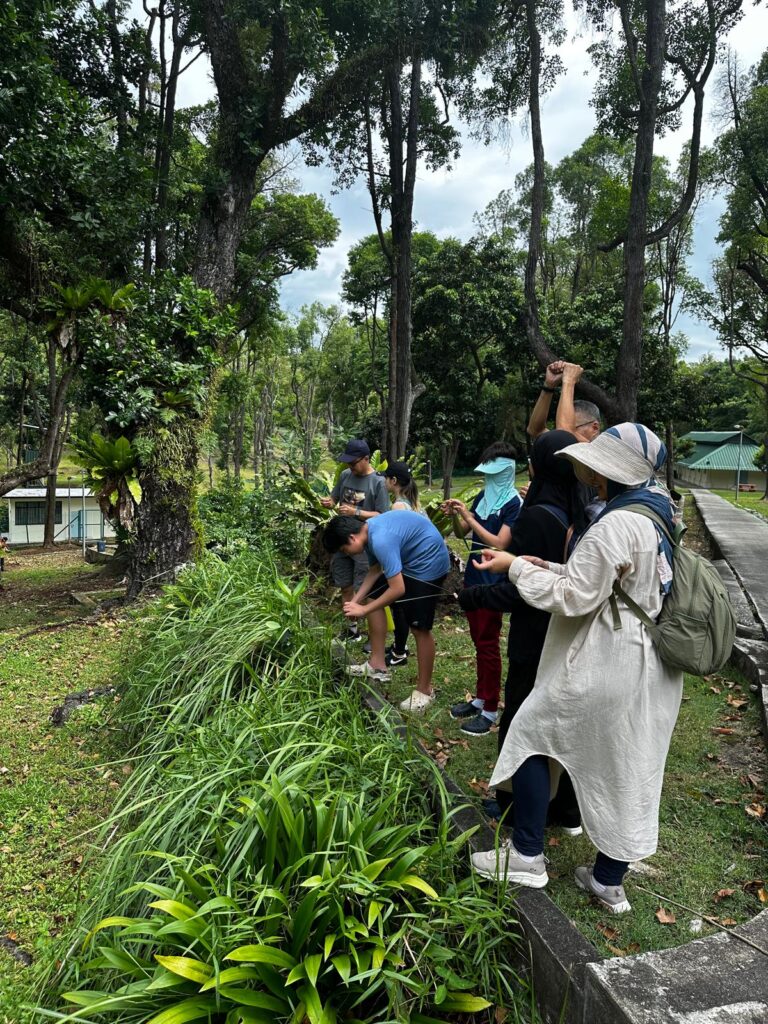
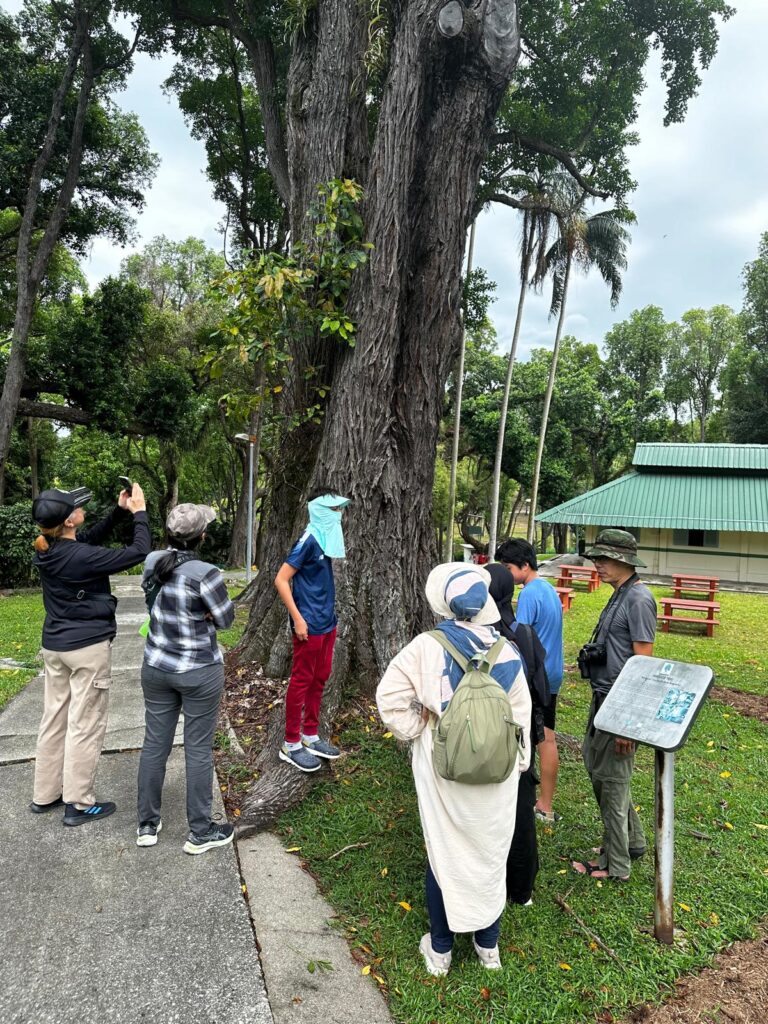
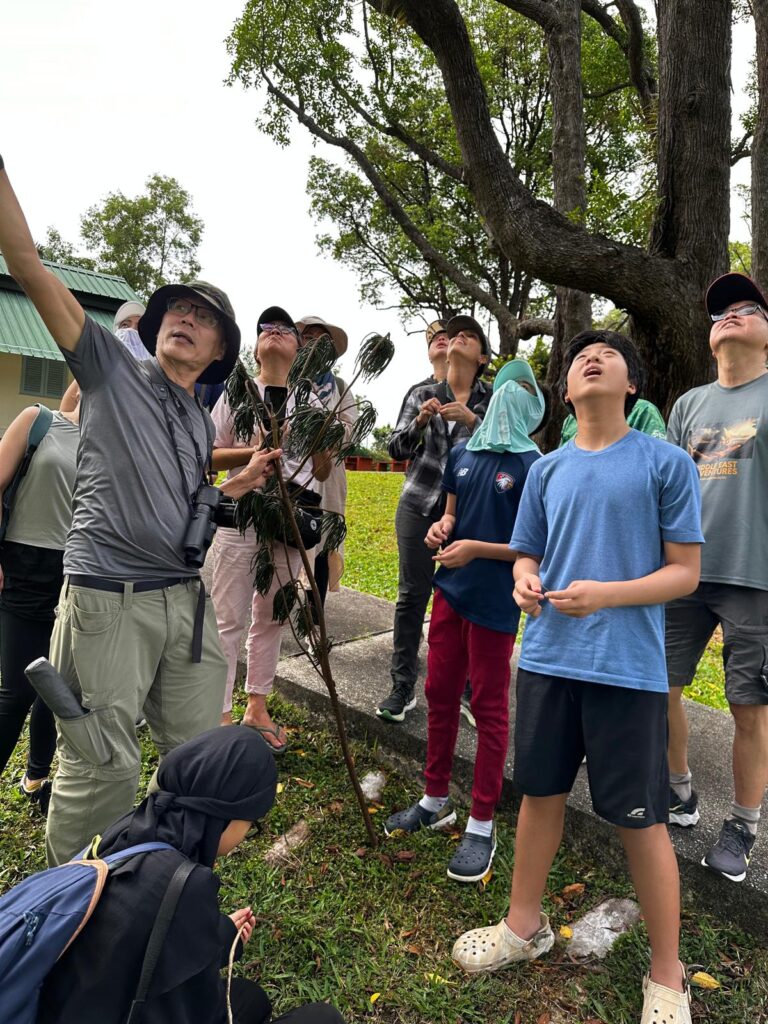
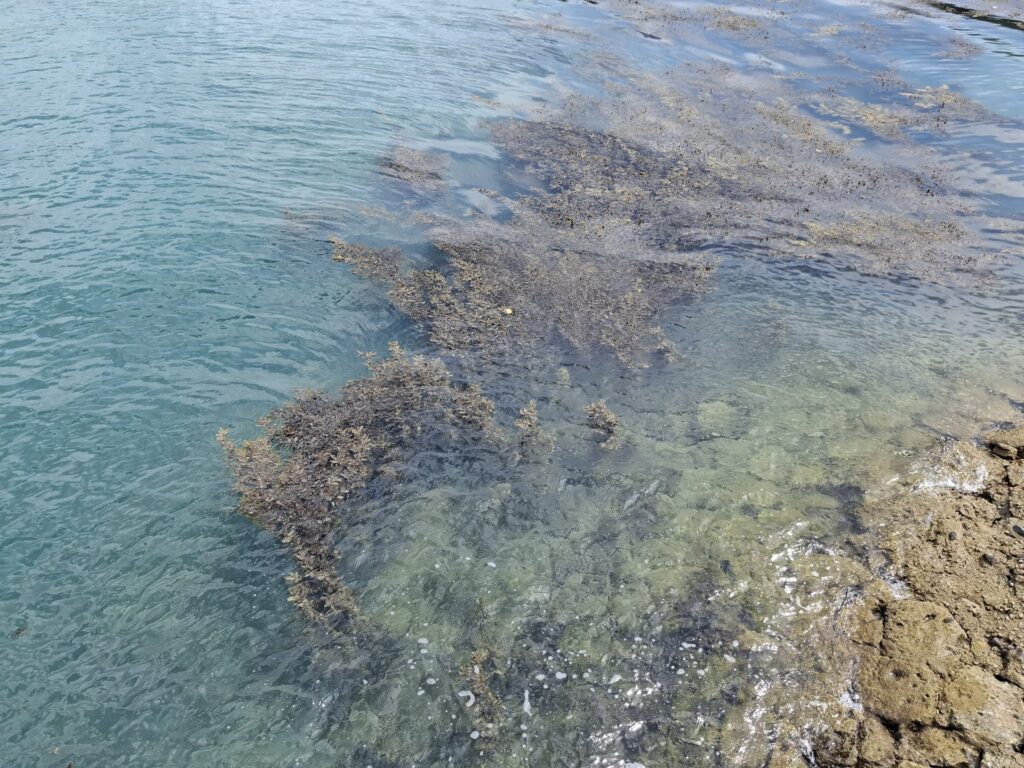
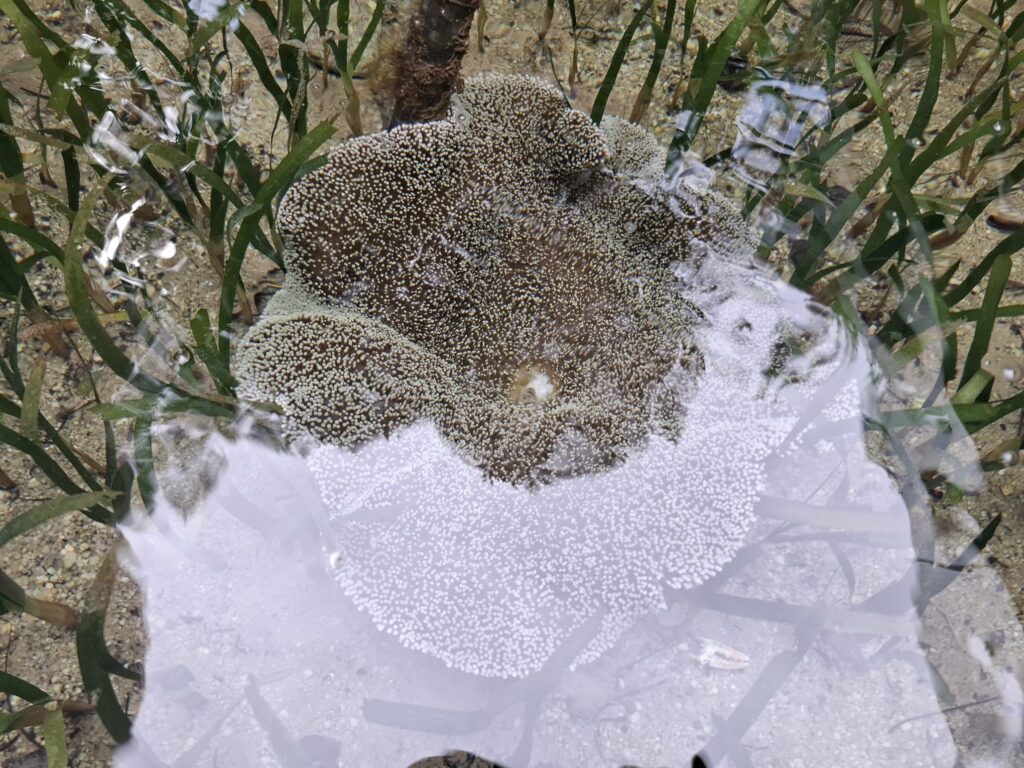
Participants were greeted by Andrew Tay, the camp leader, who began the first of many nature walks. The green forests of St. John’s Island were a haven for wildlife, with sightings of raptors soaring overhead and various species such as the long-tailed macaque and oriental magpie robin. The walk through the island’s lush vegetation introduced participants to diverse plant species like the Tembusu Tree and the Sea Fig, while the shore revealed fascinating marine life, including Sea Cucumbers and Needlefish.
The 100k Corals Initiative, launched by NParks on December 10, 2024, aims to plant 100,000 corals over the next decade to restore Singapore’s coral reefs. A new coral culture facility at St John's Island will cultivate corals, which will then be transplanted into local waters. The facility is expected to open in 2025, supporting species recovery and native coral conservation.

The initiative also incorporates smart aquaculture technology to monitor and maintain ideal coral growth conditions. Citizen science programs will engage the public in coral restoration and monitoring efforts. With over S$2 million in funding, the initiative seeks to enhance Singapore's coral conservation and protect its marine ecosystems. (Source: CNA)
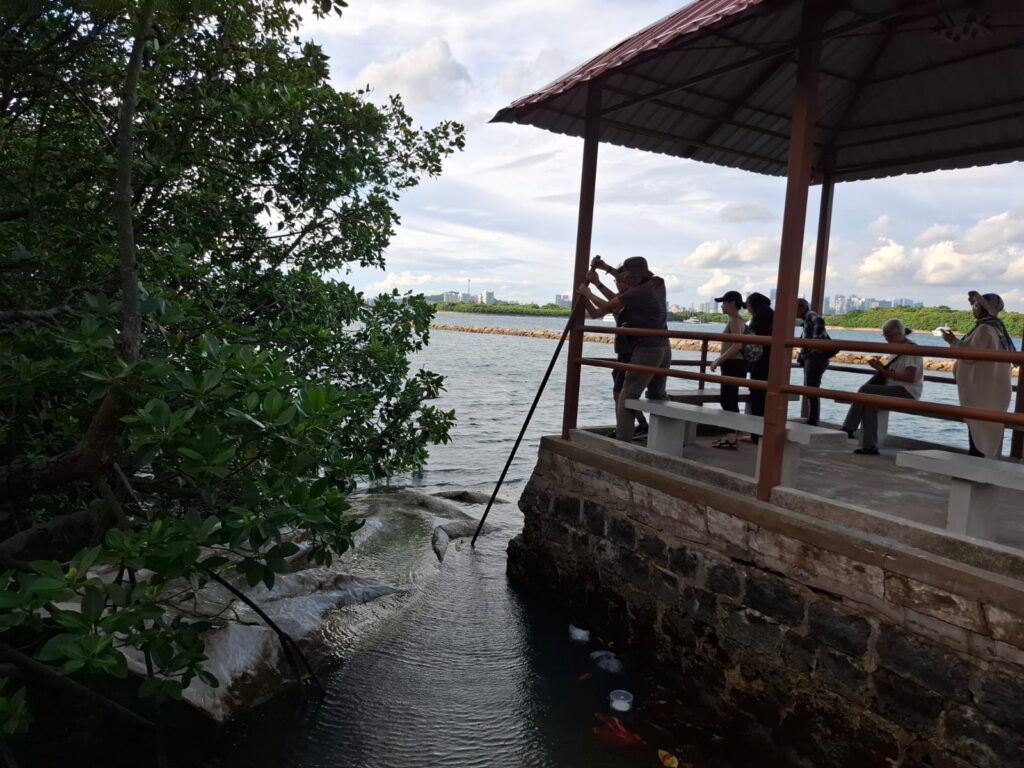
An exciting moment occurred when Andrew and Keith Woon attempted a mangrove cleanup mission but failed to remove a large floating canvas stuck among the roots.
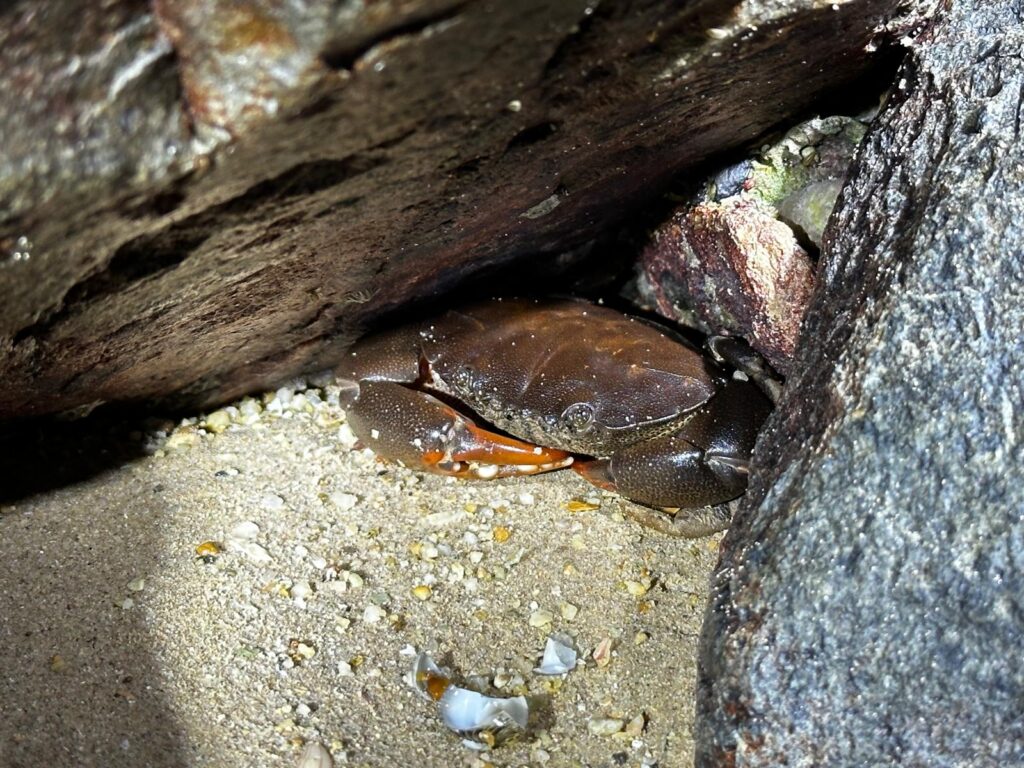
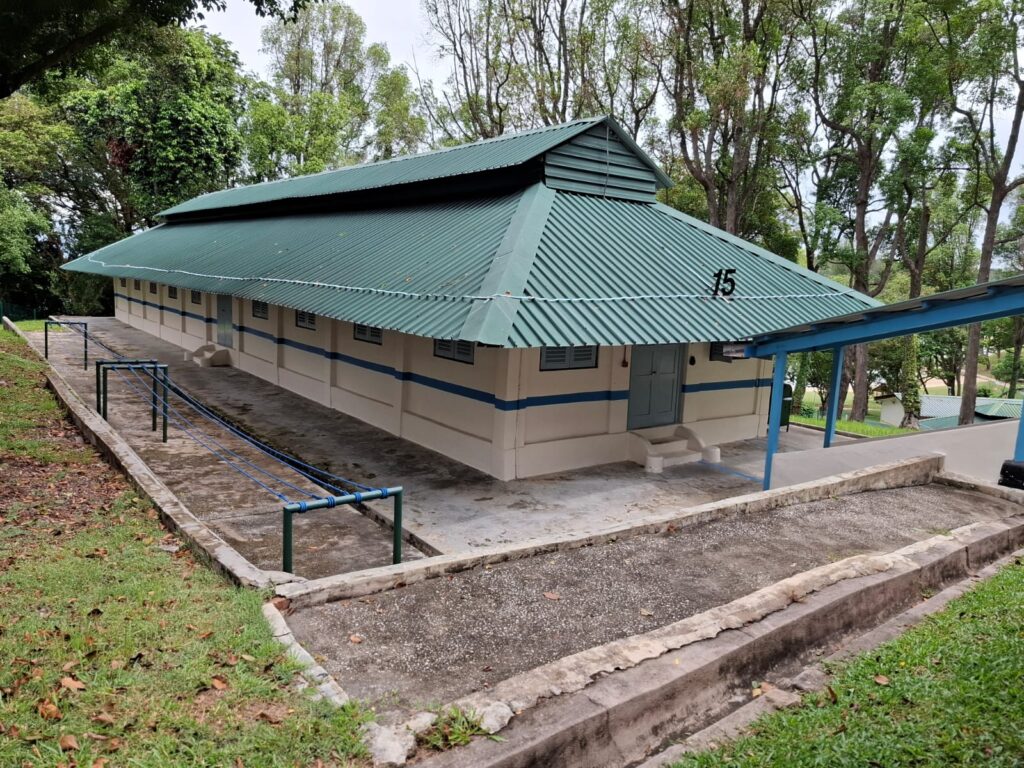
The day concluded with a night walk, where participants spotted a variety of nocturnal creatures like the Spiny-tailed House Gecko and the Horn-eyed Ghost Crab. The quiet, peaceful surroundings allowed for reflection on the day’s discoveries, as participants shared stories at the dining hall over dinner.
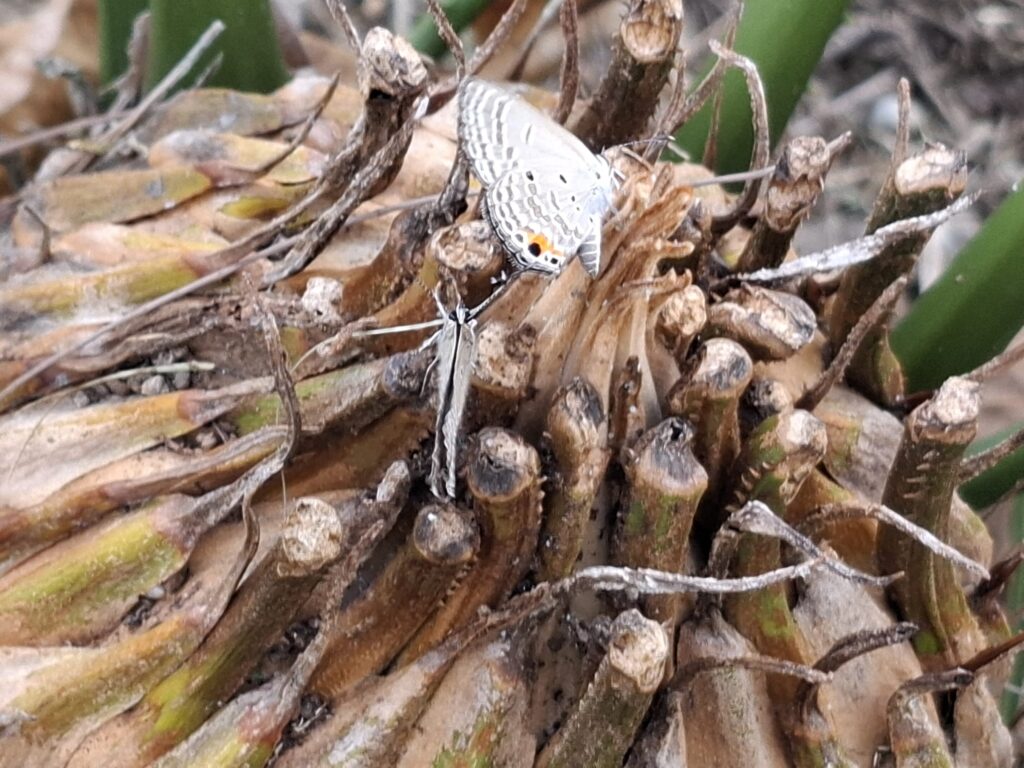
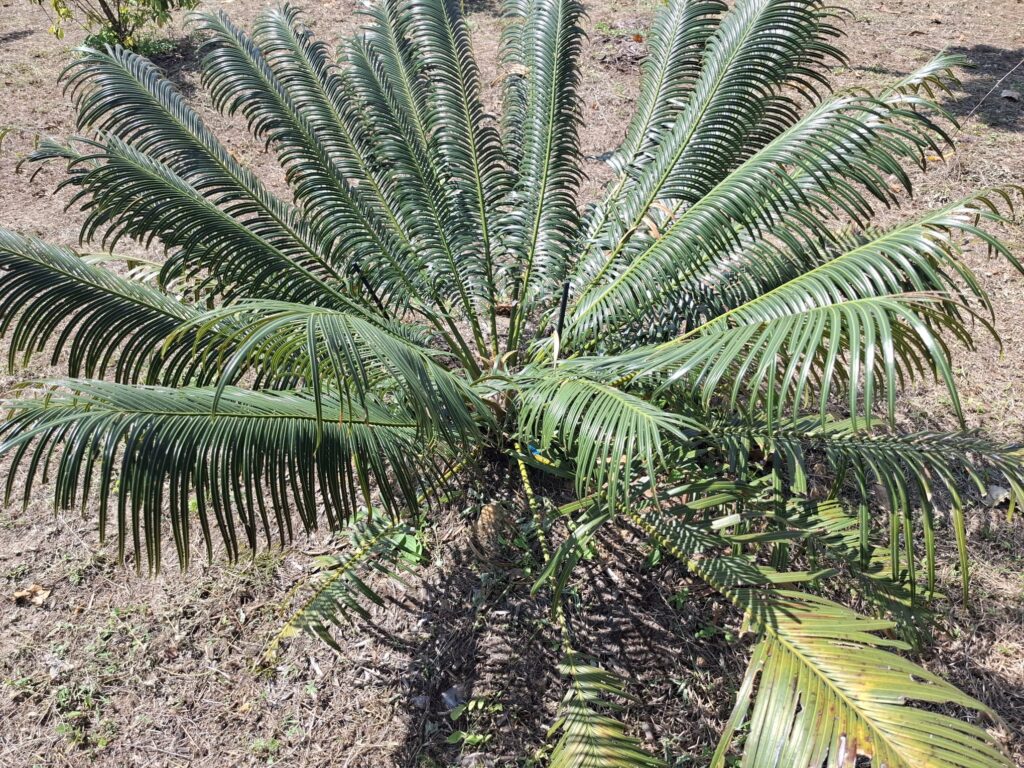
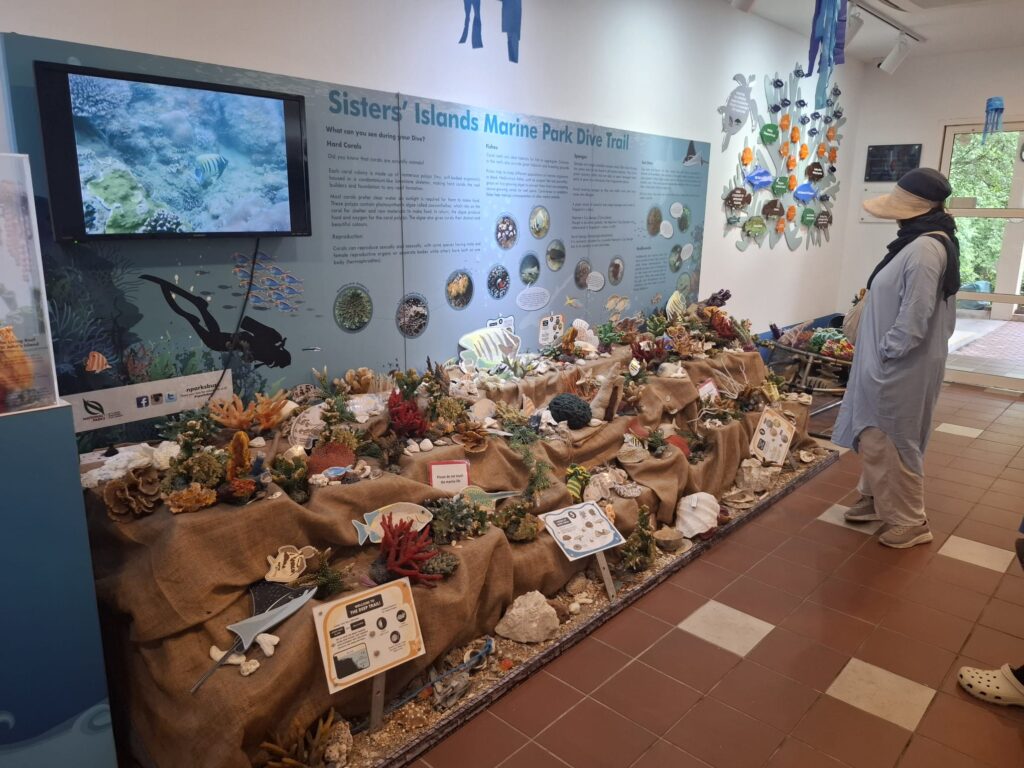
Day 2: Sisters’ Island The second day was spent exploring Sisters’ Island, home to the Sisters’ Islands Marine Park where they encountered local flora such as the Sea Lettuce, a key player in the island’s ecosystem. The guided walk on Sisters Island introduced participants to the cycads and butterfly species, with sightings of the Cycad Blue Butterfly and the Brahminy Kite soaring above.
As the day came to a close, participants gathered to board the ferry back to Marina South Pier, carrying with them memories of the incredible wildlife and camaraderie experienced during their time on the islands.
Participants’ Feedback The camp proved to be an enriching experience for all involved, sparking connections and lasting memories:
Amaani: “Thank you everyone! I was so inspired by everyone and I hope we can meet again soon. Waiting for next year’s camp! 🦂🌈
Rominia: “Nice meeting everyone! I’d like to express our heartfelt gratitude to everyone involved for this experience. Learning about nature and animals alongside wonderful company has been truly unforgettable. I’d be happy to join again or participate in future volunteer opportunities!”
Keith: “Thanks everyone for the great company on this nature adventure at St John’s Island.”
Merey: “Thanks again for a wonderful trip to connect with nature again. We are missing the peace and quiet of the islands, with the sounds of nature to accompany us.”
Connie: “Grateful to have been part of this. Such great people all round, amazing weather and lovely fauna and critters except the mozzies!”
Cuifen: “Many thanks for the good company, and we were blessed with good weather.”
Vilma: “It was a great camp with good potential to be done once or twice next year during the holidays, to include families with kids, and interested adults. Thanks Andrew for coordination and leading of lovely nature walks, and thanks Teresa for facilitating and doing much of the cleanup.”
Radiah: “A million thanks to Andrew for inviting us to be a part of this beautiful, rejuvenating trip- full of learning and camaraderie. Each and everyone had such a zest for appreciating the simple things and all that nature has to offer even on our little urban island. It was so easy to get to know all of you and I felt a connection to everyone in their generosity to share food, knowledge and experiences.”
Wildlife Sightings The diverse ecosystems of St. John’s and Sisters’ Islands provided ample opportunities for wildlife sightings. Some of the notable fauna spotted included:
St. John’s Island: Long-tailed Macaque, Pacific Swallow, Tiger Beetle, Oriental Magpie Robin, Brahminy Kite, White-bellied Sea Eagle, and the Common Myna.
Sisters’ Island: Sergeant Major Fish, Cycad, Cycad Blue Butterfly, Blue-tailed Bee Eater, and the Collared Kingfisher.
Participants were also introduced to fascinating flora, such as the Tembusu Tree, Painted Jezebel Butterfly, and various types of seaweed found along the shore of St. John’s Island.
The St. John’s and Sisters’ Islands Family Nature Camp provided a memorable experience for all involved. Participants not only gained a deeper appreciation for nature but also forged lasting friendships in the process. From nature walks and conservation efforts to reflective moments and shared stories, the camp fostered a sense of community and connection to the natural world.