by Teresa Teo Guttensohn, Photos by Vnyx Sng, 2 Feb 2025
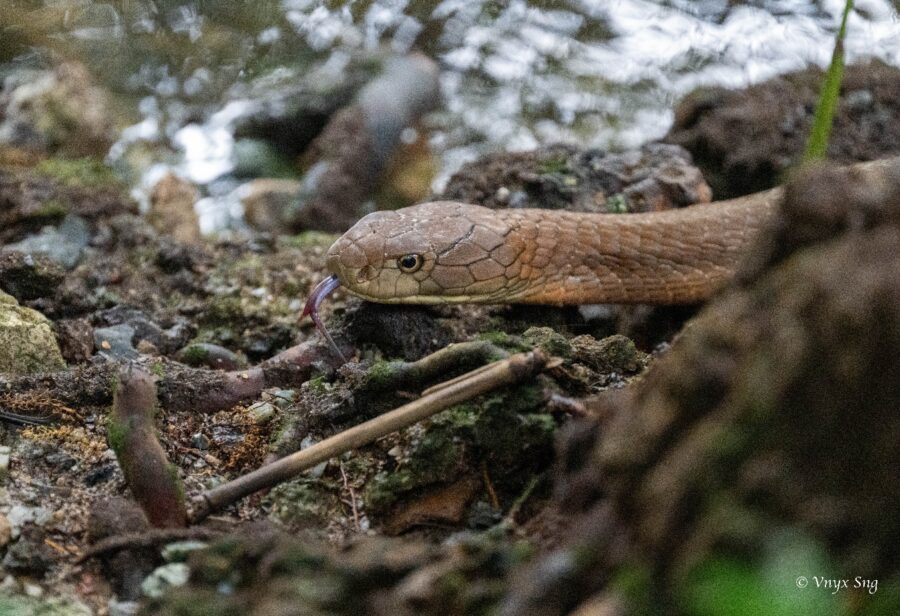
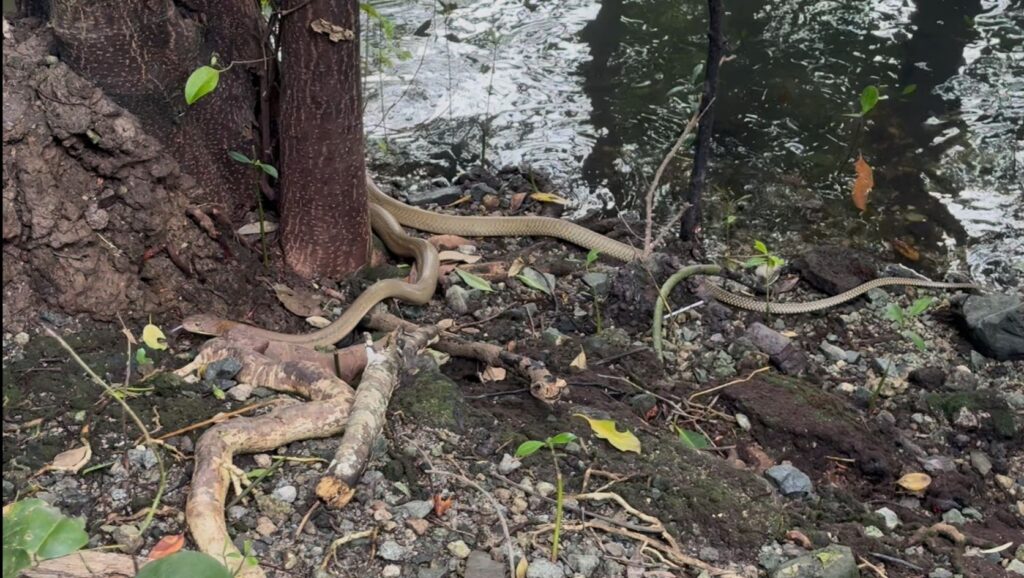
Here’s a majestic, native Sunda King Cobra (Ophiophagus bungarus) to welcome the new spring of 2025. Sighted at Sungei Buloh Wetland Reserve, Singapore on Sunday, 2 February 2025, by Elena and Vnyx Sng.
The King Cobra is the world’s largest venomous snake. It has very potent neurotoxic venom and it’s bite and subsequent envenomation is deadly. If you spot the rare snake in our forests, always admire from a respectful distance. King Cobras predominantly eat other snakes.
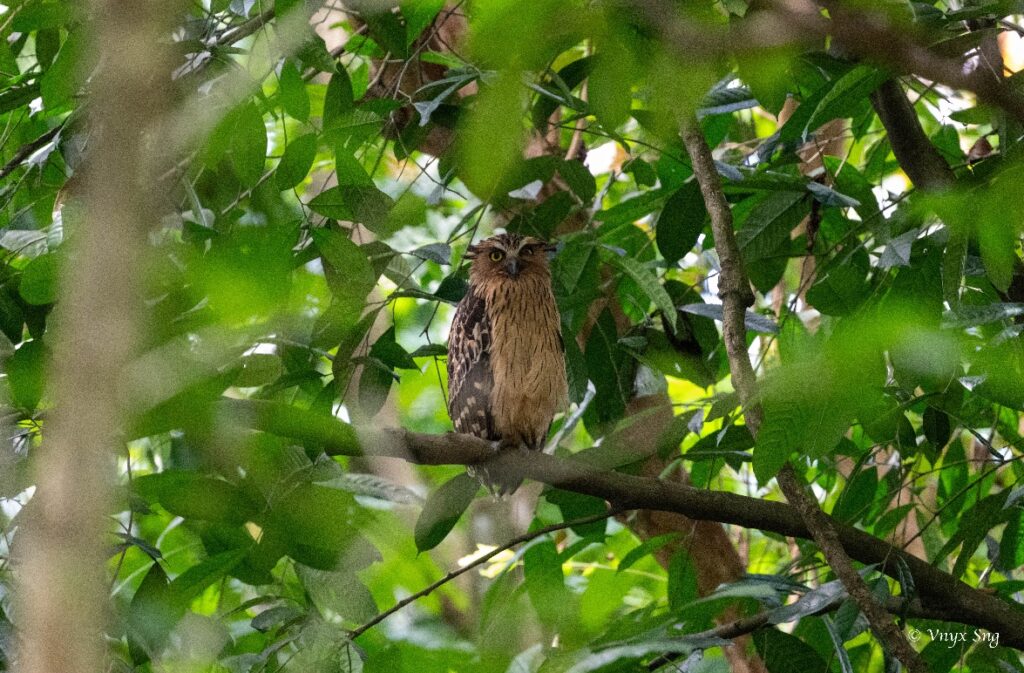
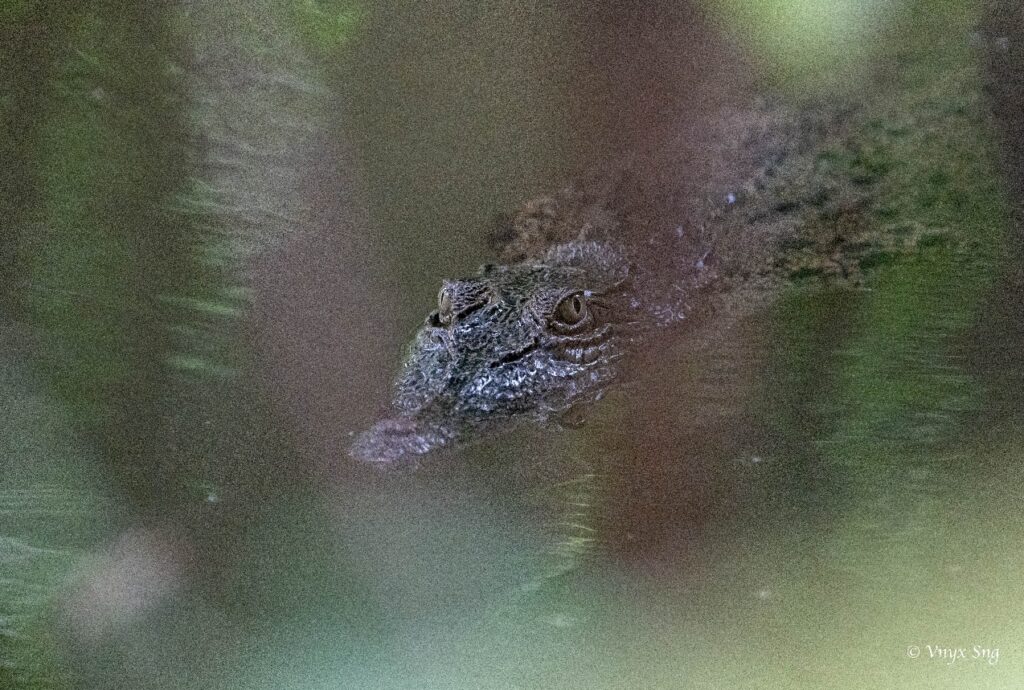
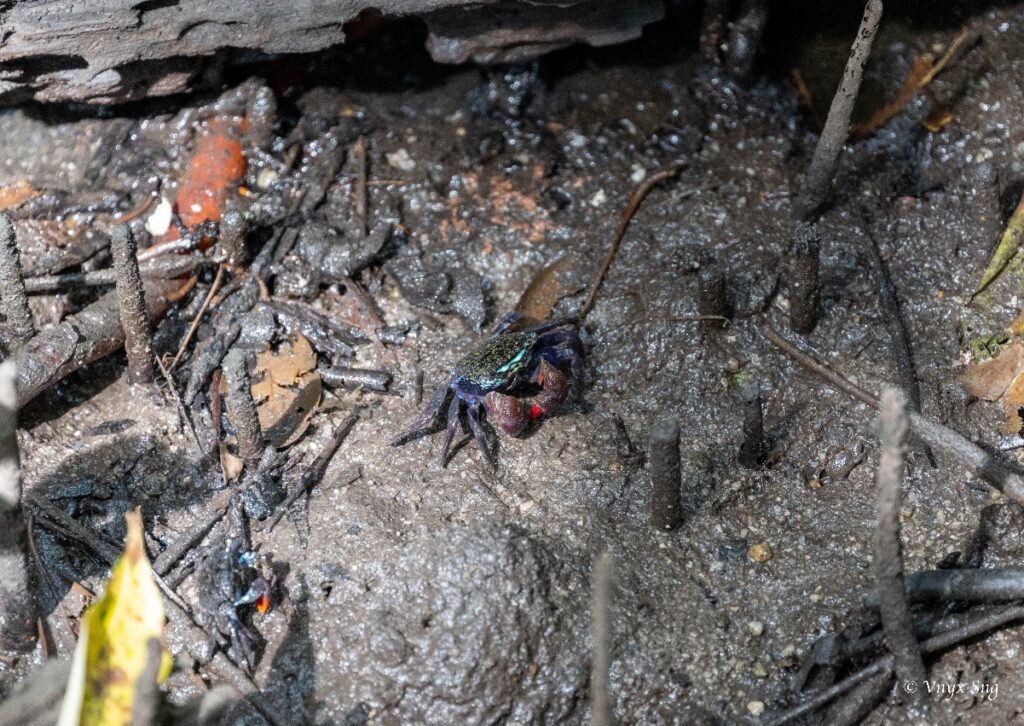
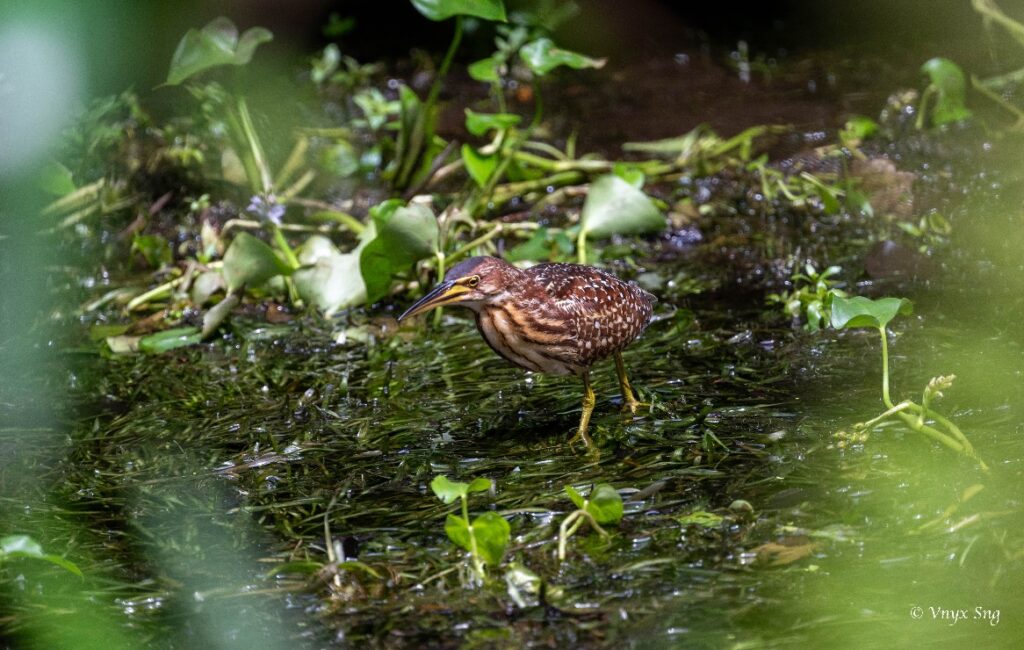
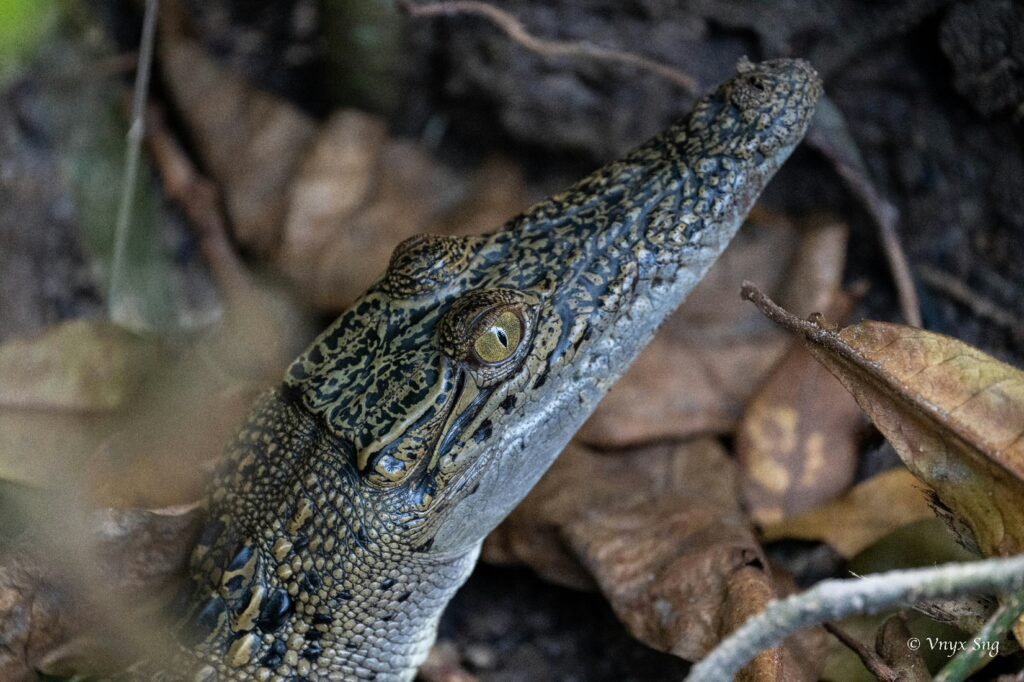
Also spotted were many other amazing wetland wildlife.
The King Cobra, once thought to be a single species, has been re-categorised into four species:
Northern King Cobra (Ophiophagus hannah)
Sunda King Cobra (Ophiophagus bungarus) found in Singapore, Malaysia, Indonesia, and parts of the Philippines.
Western Ghats King Cobra (Ophiophagus kaalinga)
Luzon King Cobra (Ophiophagus salvatana)
In 2024, ACRES’s animal crime investigation unit handled 15 tip offs related to individuals keeping or selling snakes illegally in Singapore, in comparison to 4 cases in 2023. In the previous year of snake in 2013, there was a surge of ball pythons rescues found abandoned or surrendered to ACRES. All snakes are not permitted to be kept or sold as pets in Singapore, and we encourage public to let them be in the wild, and report of anyone selling or keeping them to NParks or at https://tinyurl.com/ACRESCRIME —Anbarasi Boopal, ACRES Co-CEO (Advocacy)
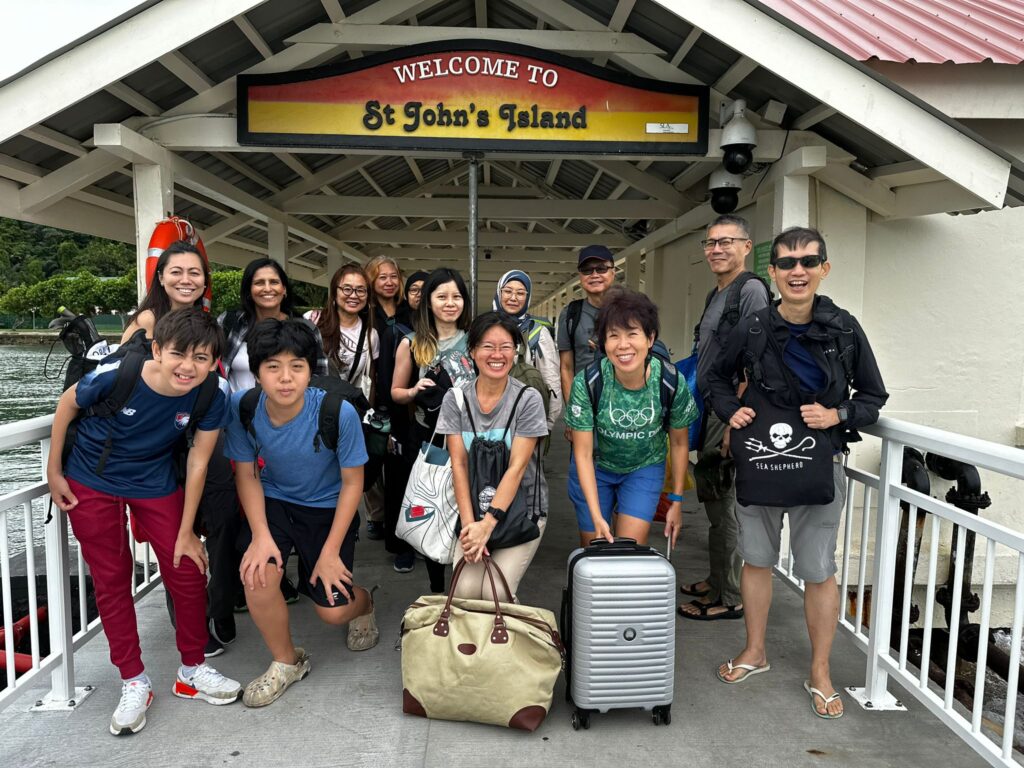
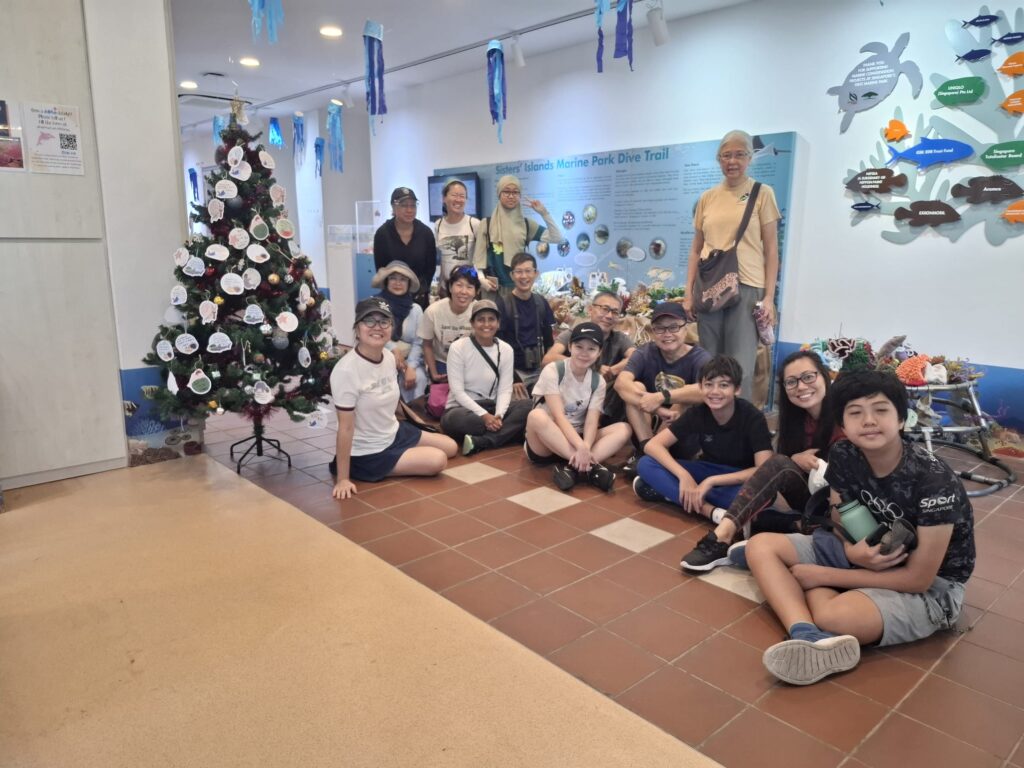
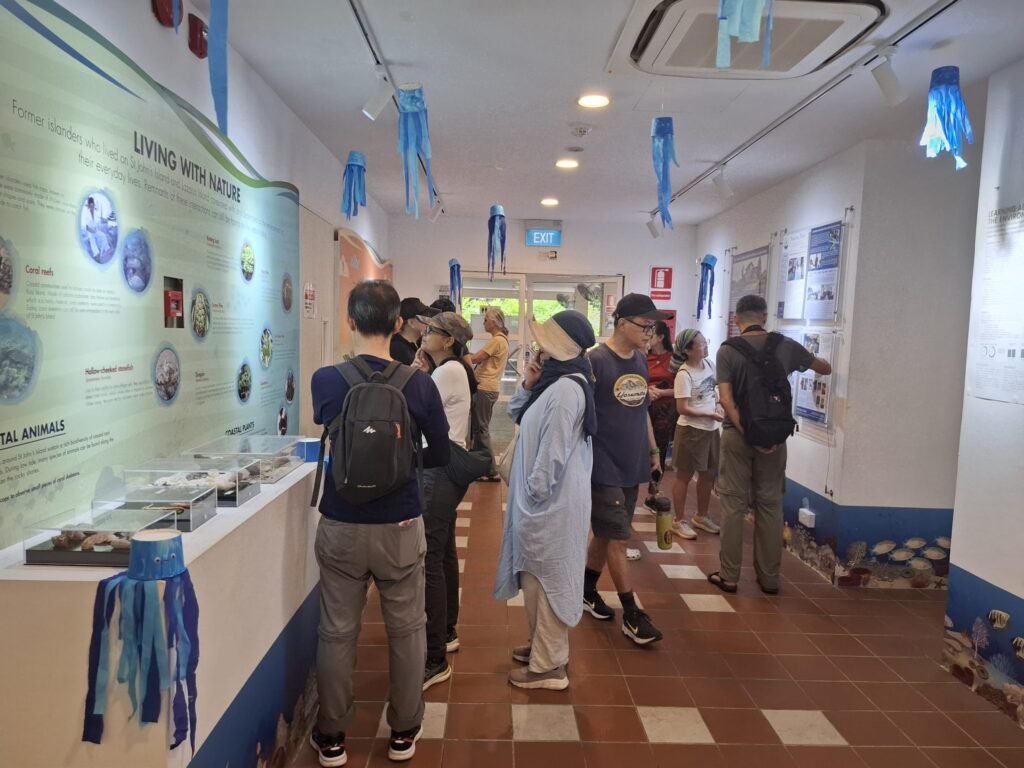
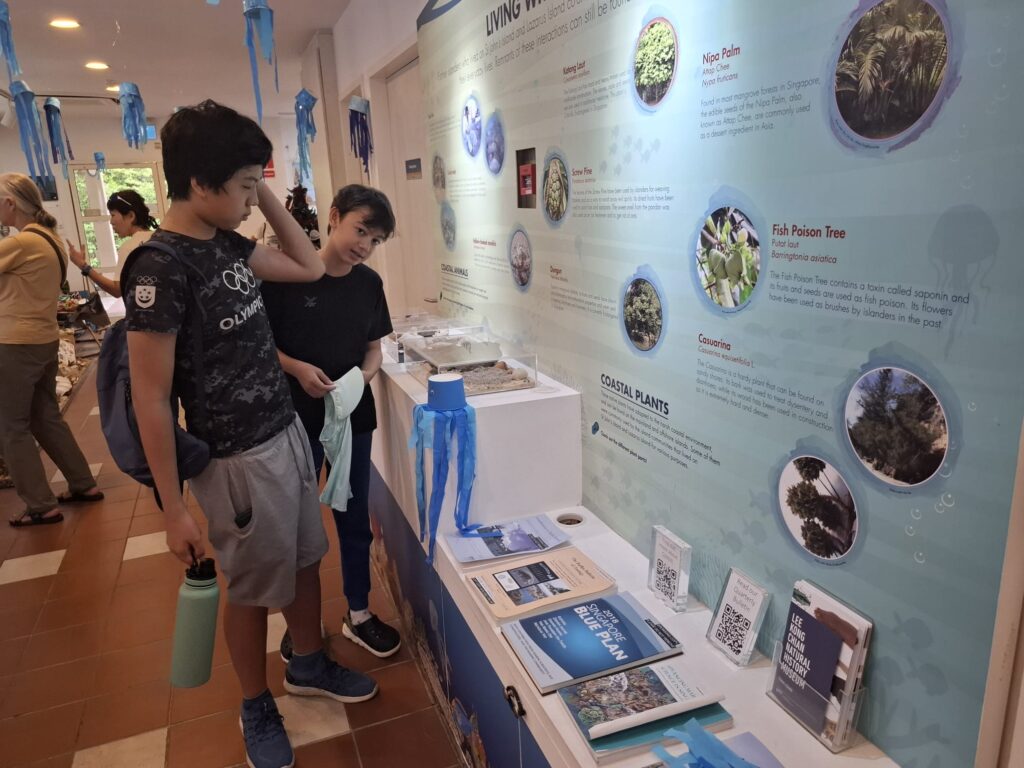
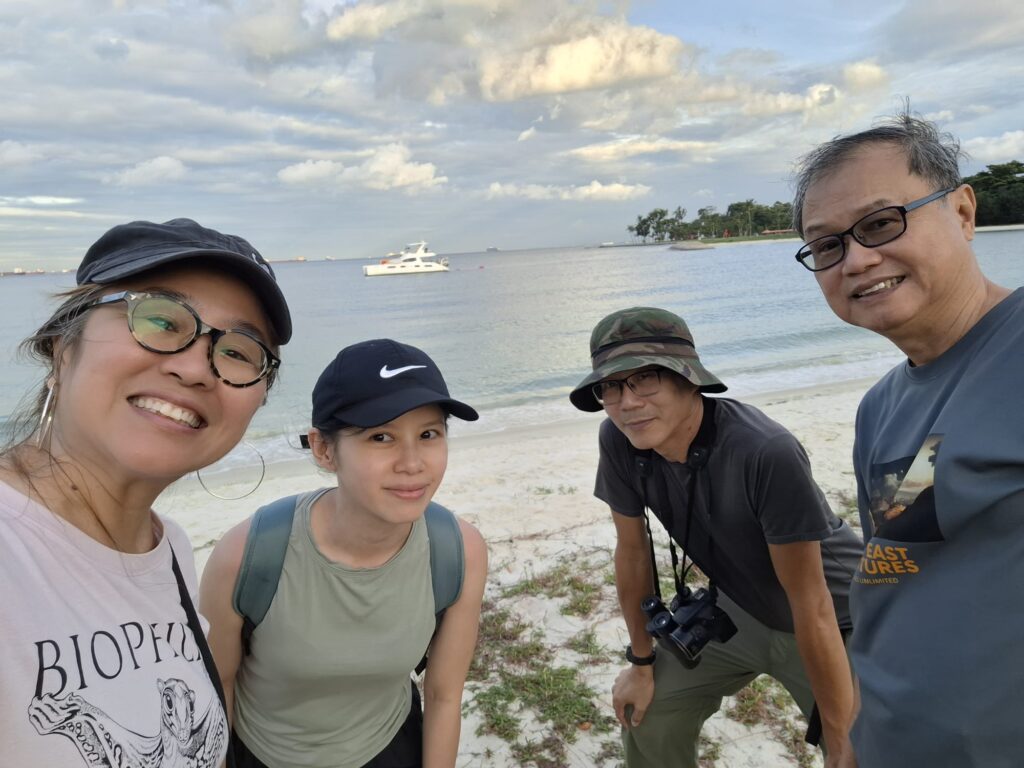
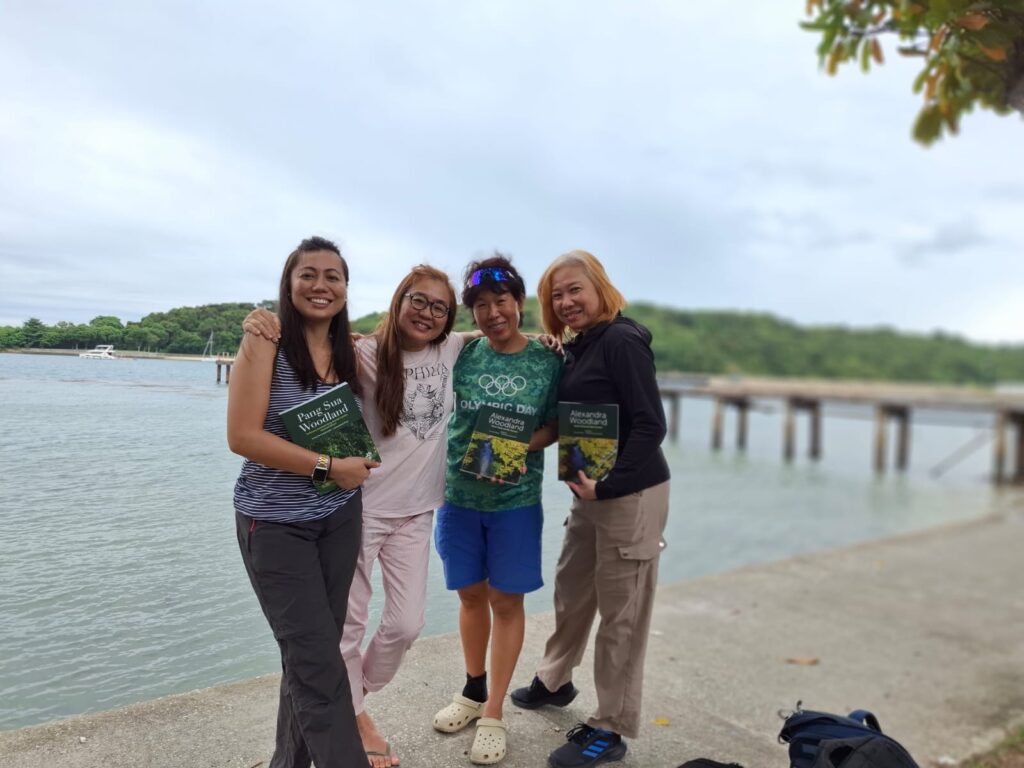
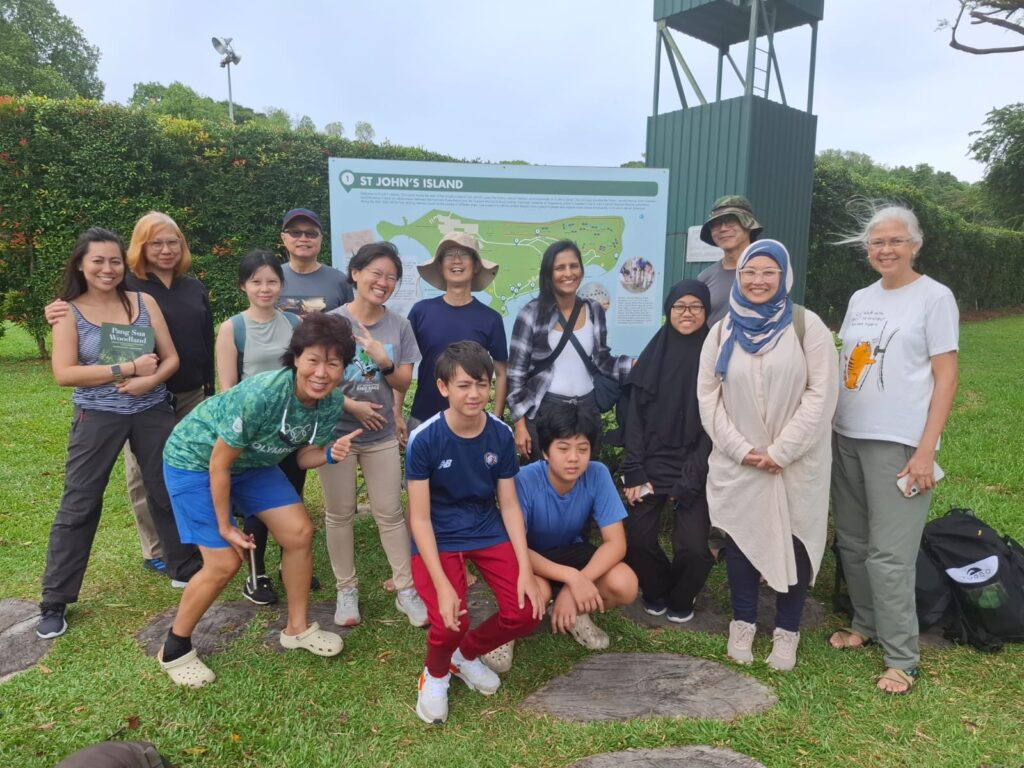
The St. John’s and Sisters’ Islands Family Nature Camp, organised by Cicada Tree Eco-Place, took place from December 10th to 11th, 2024. Participants embarked on a rejuvenating two-day nature adventure, exploring the rich flora and fauna of St. John’s and Sisters’ Islands. The camp offered a rare opportunity to connect with nature and fellow enthusiasts in an idyllic setting, filled with educational walks, hands-on conservation efforts, and the serene beauty of these hidden gems in Singapore.
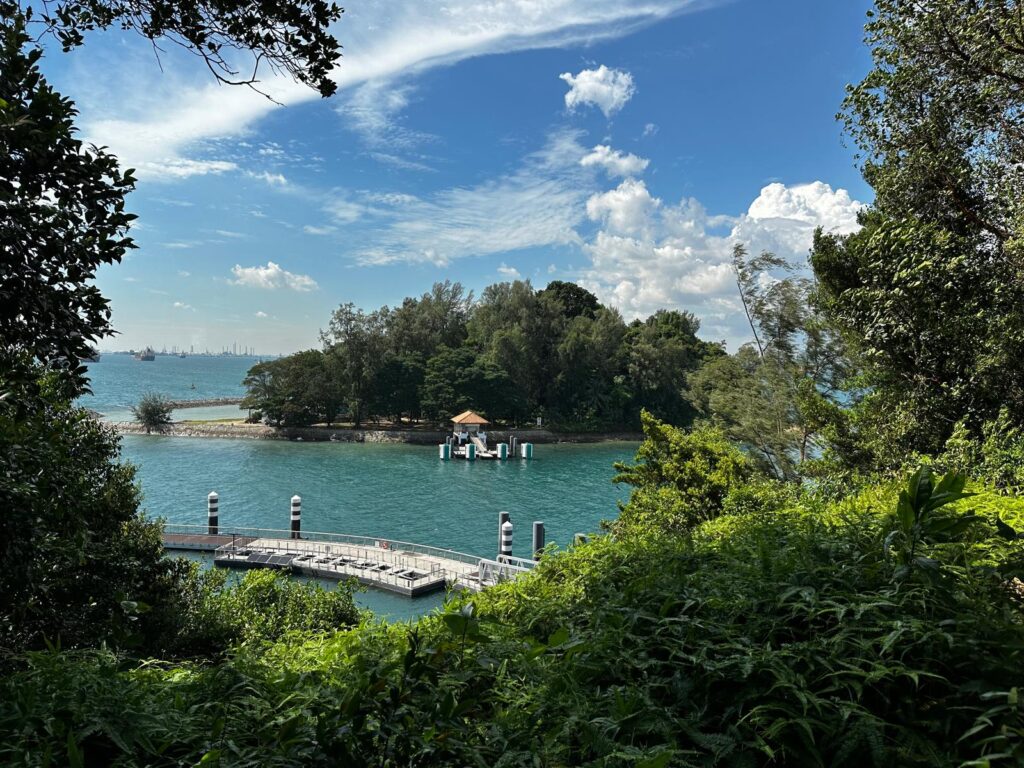
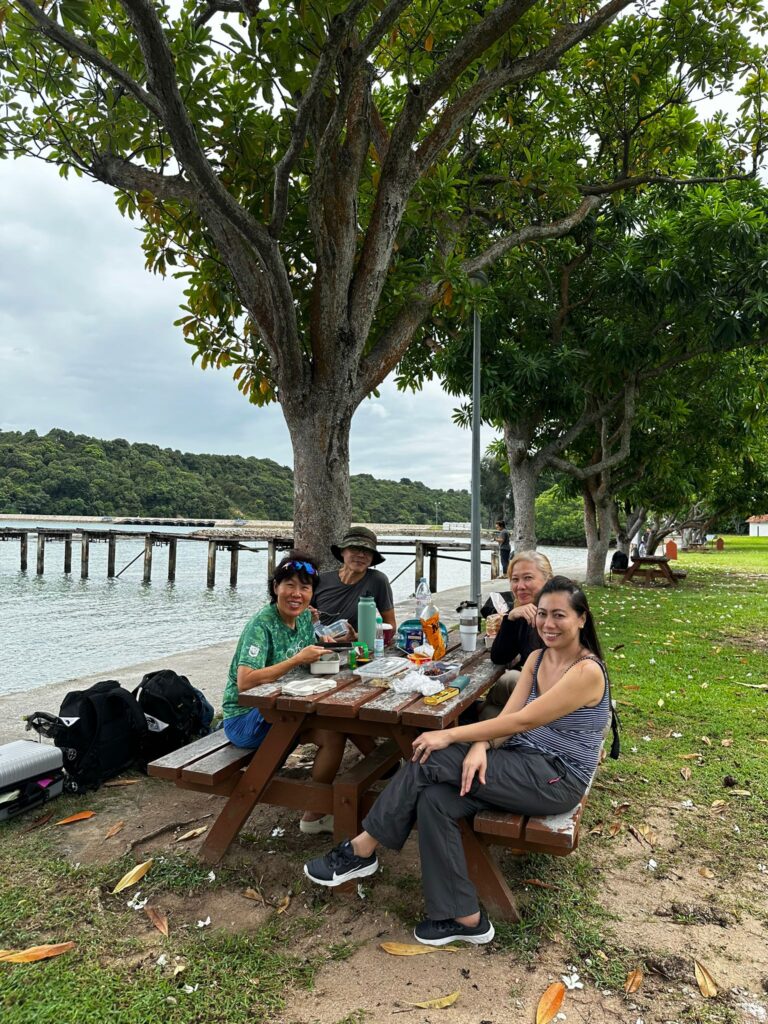
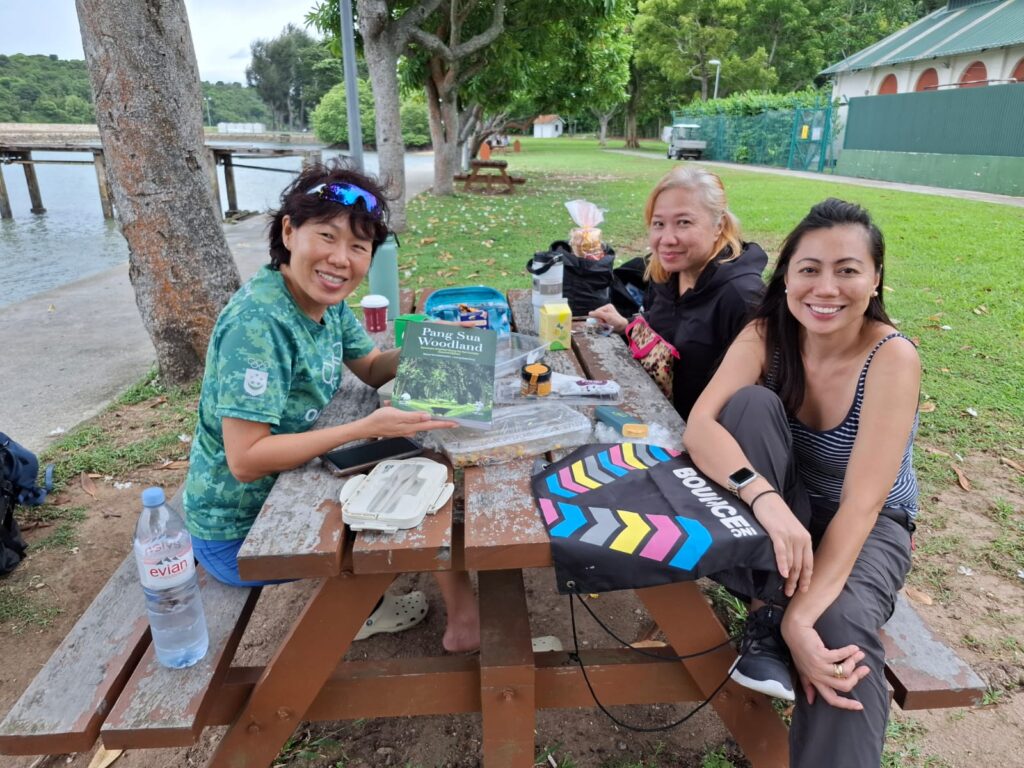
Day 1: St. John’s Island The adventure began at Marina South Pier, where participants gathered for the ferry ride to St. John’s Island. With packed lunches in hand, the group embarked on their journey, eager to explore the island’s natural wonders. Upon arrival, the group enjoyed a scenic picnic lunch and shared books and poetry on conservation.
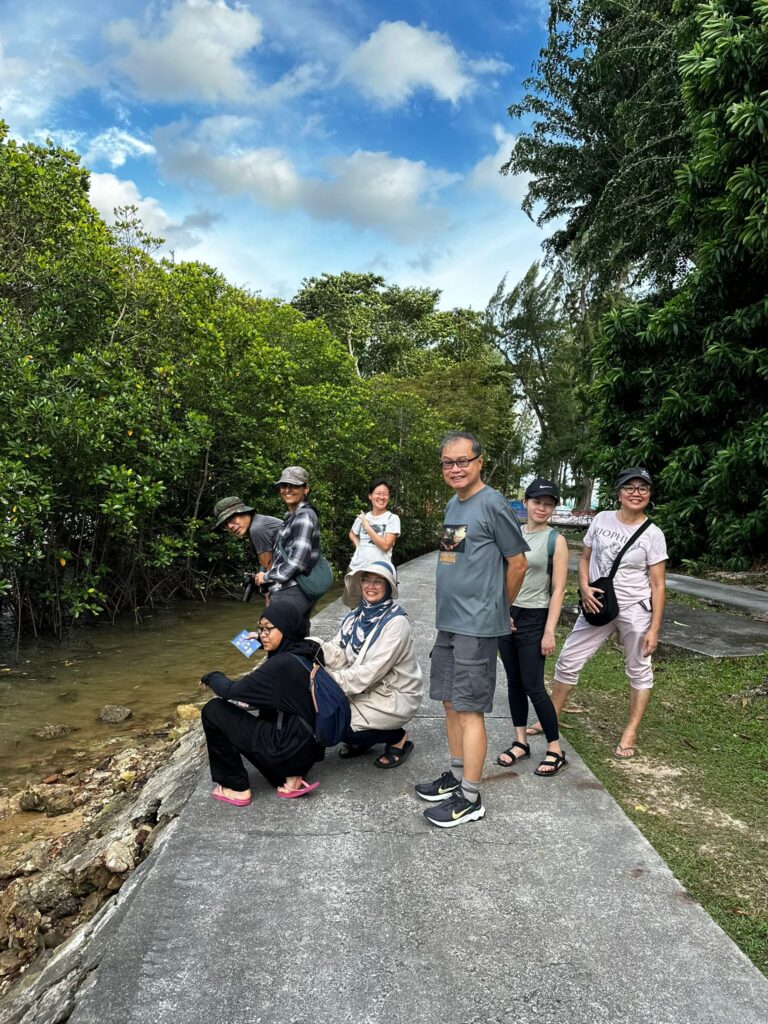
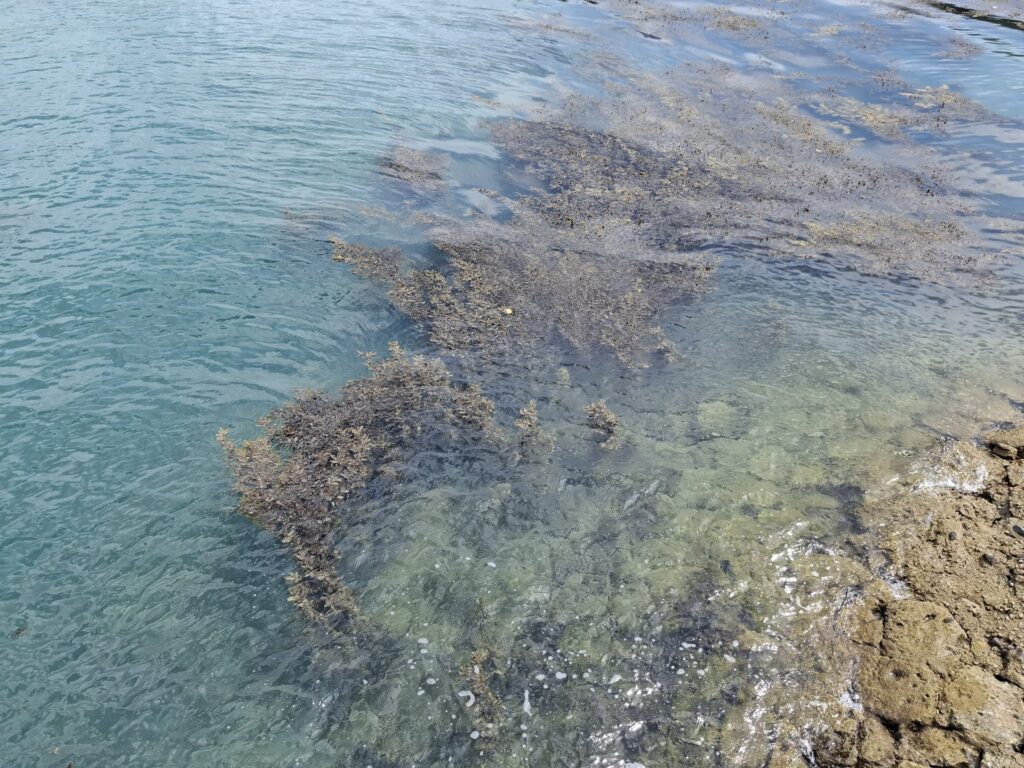
Participants were greeted by Andrew Tay, the camp leader, who began the first of many nature walks. The green forests of St. John’s Island were a haven for wildlife, with sightings of raptors soaring overhead and various species such as the long-tailed macaque and oriental magpie robin. The walk through the island’s lush vegetation introduced participants to diverse plant species like the Tembusu Tree and the Sea Fig, while the shore revealed fascinating marine life, including Sea Cucumbers and Needlefish.
The 100k Corals Initiative, launched by NParks on December 10, 2024, aims to plant 100,000 corals over the next decade to restore Singapore’s coral reefs. A new coral culture facility at St John's Island will cultivate corals, which will then be transplanted into local waters. The facility is expected to open in 2025, supporting species recovery and native coral conservation.

The initiative also incorporates smart aquaculture technology to monitor and maintain ideal coral growth conditions. Citizen science programs will engage the public in coral restoration and monitoring efforts. With over S$2 million in funding, the initiative seeks to enhance Singapore's coral conservation and protect its marine ecosystems. (Source: CNA)
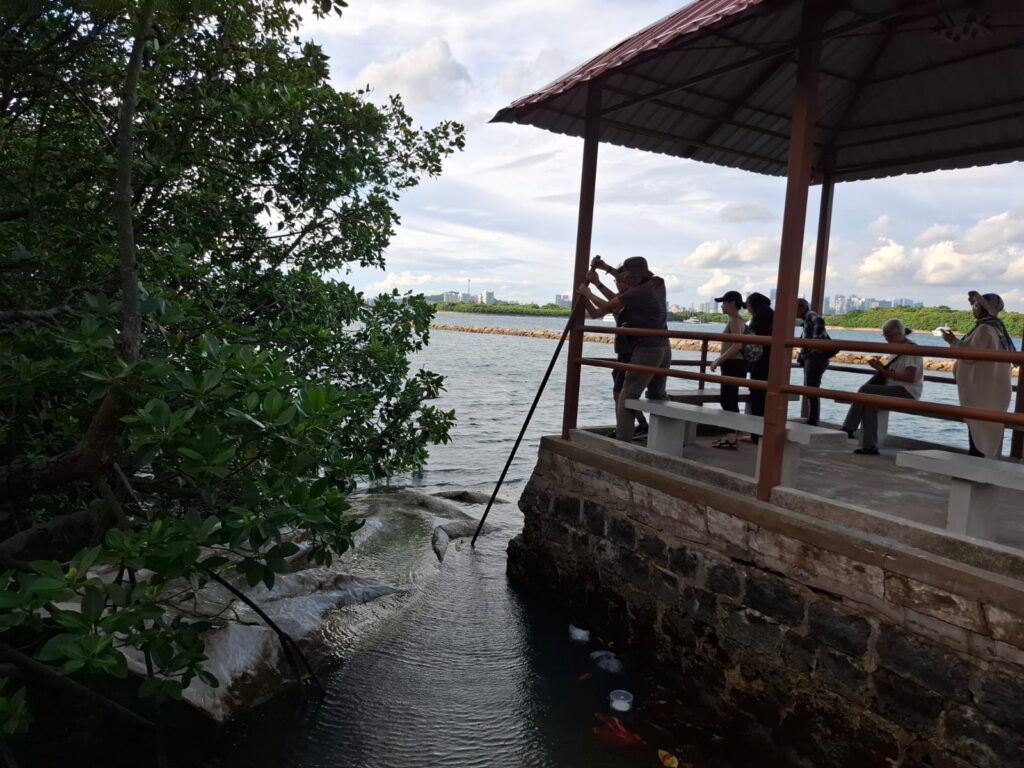
An exciting moment occurred when Andrew and Keith Woon attempted a mangrove cleanup mission but failed to remove a large floating canvas stuck among the roots.
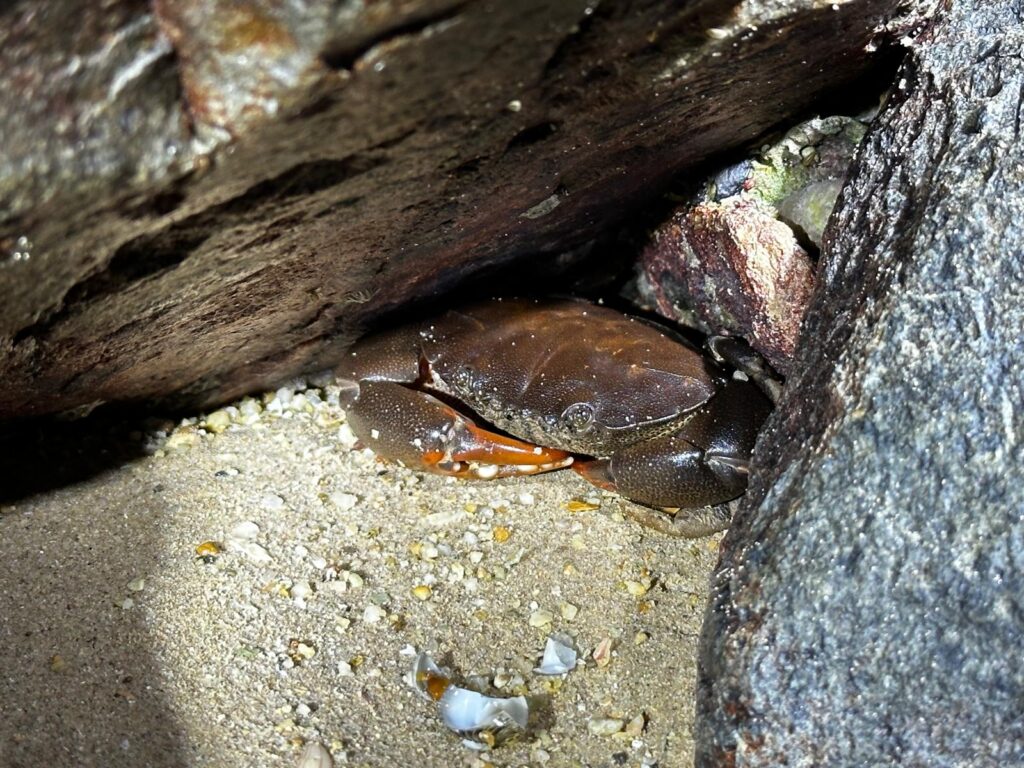
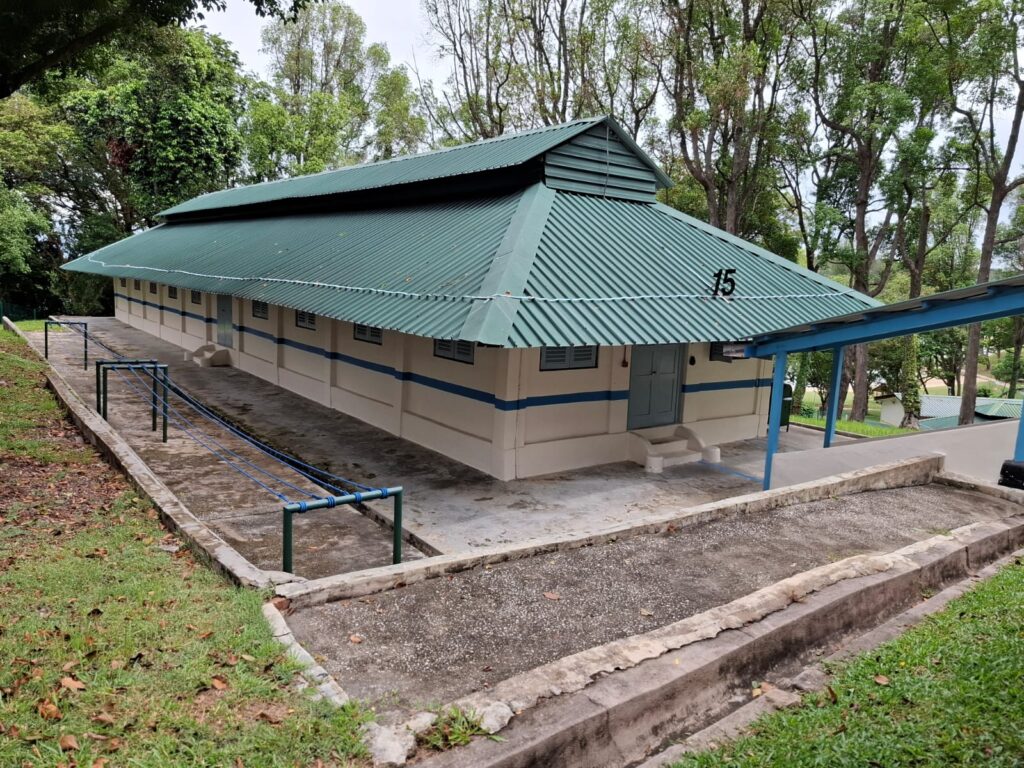
The day concluded with a night walk, where participants spotted a variety of nocturnal creatures like the Spiny-tailed House Gecko and the Horn-eyed Ghost Crab. The quiet, peaceful surroundings allowed for reflection on the day’s discoveries, as participants shared stories at the dining hall over dinner.
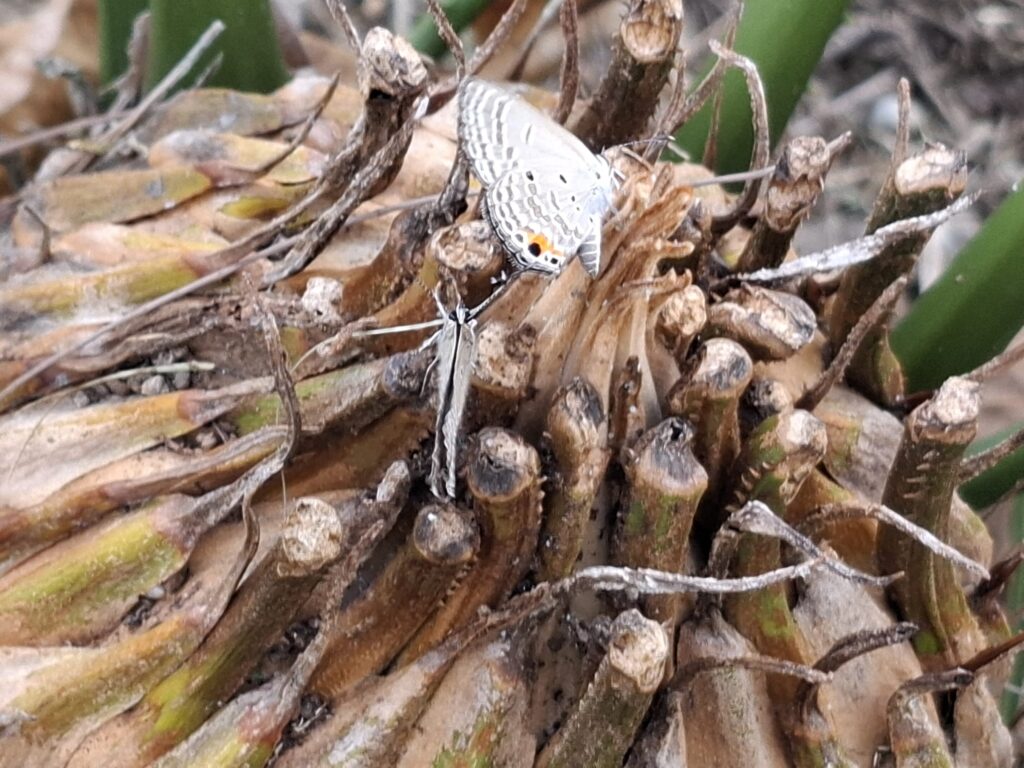
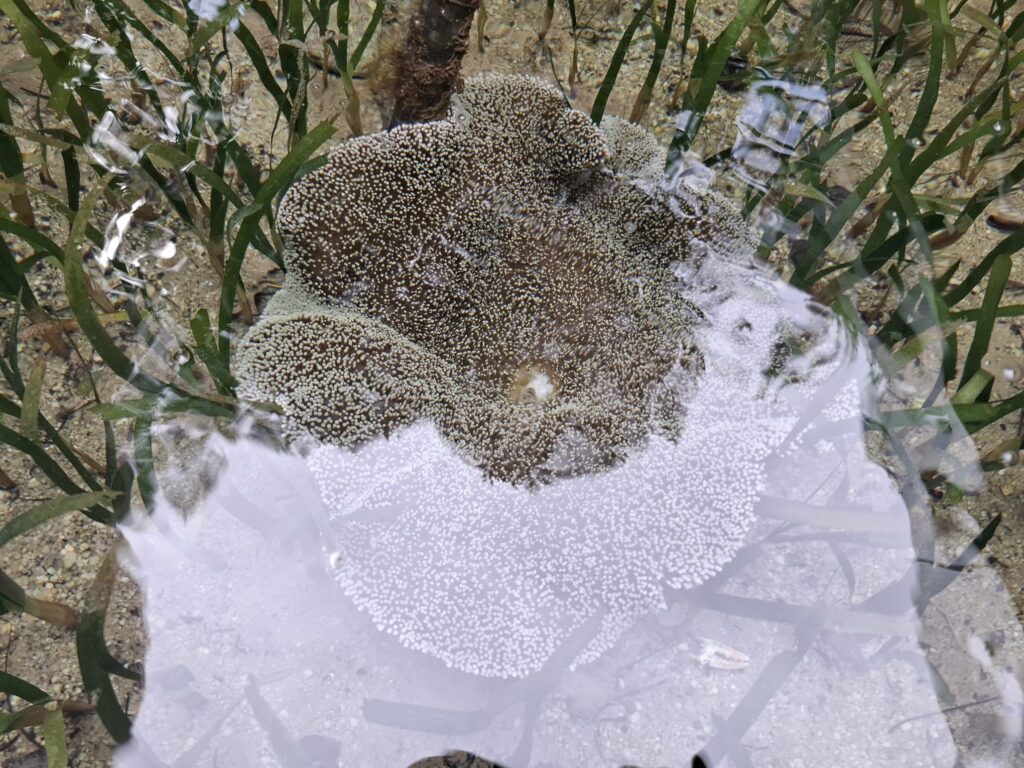
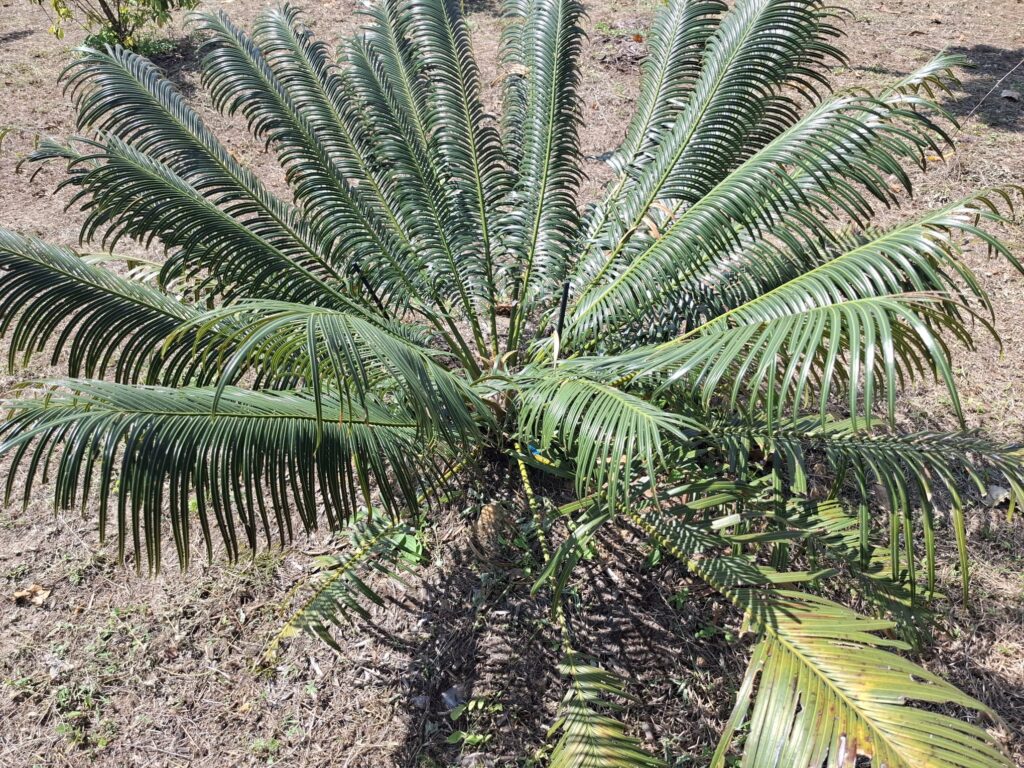
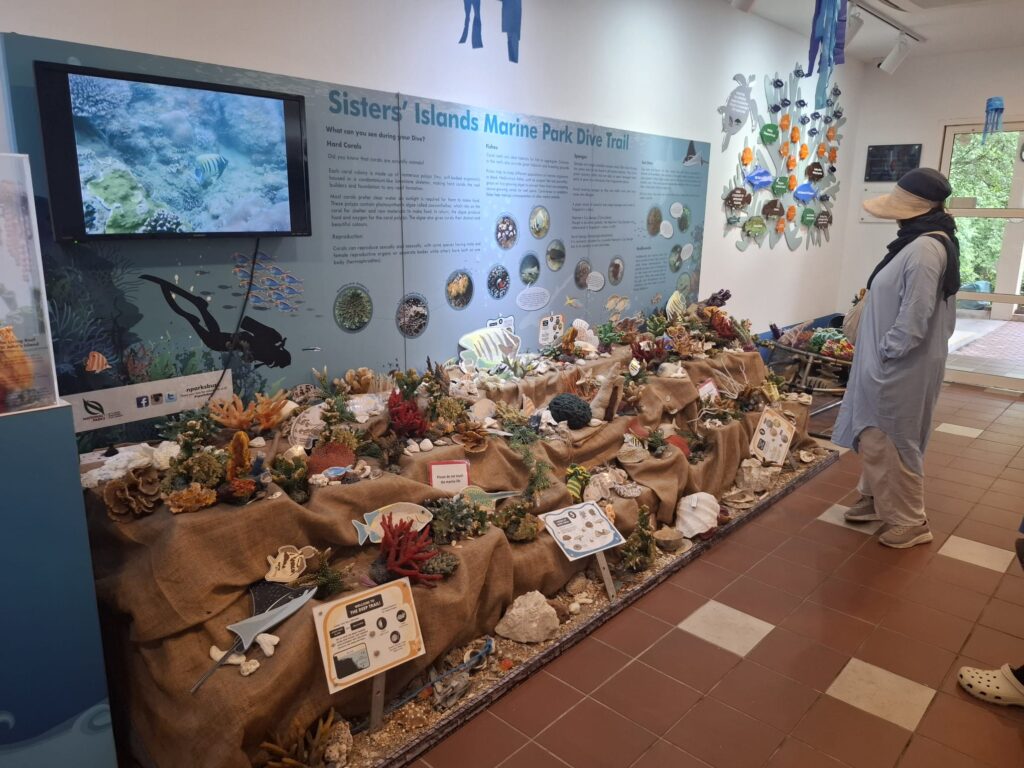
Day 2: Sisters’ Island The second day was spent exploring Sisters’ Island, home to the Sisters’ Islands Marine Park where they encountered local flora such as the Sea Lettuce, a key player in the island’s ecosystem. The guided walk on Sisters Island introduced participants to the cycads and butterfly species, with sightings of the Cycad Blue Butterfly and the Brahminy Kite soaring above.
As the day came to a close, participants gathered to board the ferry back to Marina South Pier, carrying with them memories of the incredible wildlife and camaraderie experienced during their time on the islands.
Participants’ Feedback The camp proved to be an enriching experience for all involved, sparking connections and lasting memories:
Amaani: “Thank you everyone! I was so inspired by everyone and I hope we can meet again soon. Waiting for next year’s camp! 🦂🌈
Rominia: “Nice meeting everyone! I’d like to express our heartfelt gratitude to everyone involved for this experience. Learning about nature and animals alongside wonderful company has been truly unforgettable. I’d be happy to join again or participate in future volunteer opportunities!”
Keith: “Thanks everyone for the great company on this nature adventure at St John’s Island.”
Merey: “Thanks again for a wonderful trip to connect with nature again. We are missing the peace and quiet of the islands, with the sounds of nature to accompany us.”
Connie: “Grateful to have been part of this. Such great people all round, amazing weather and lovely fauna and critters except the mozzies!”
Cuifen: “Many thanks for the good company, and we were blessed with good weather.”
Vilma: “It was a great camp with good potential to be done once or twice next year during the holidays, to include families with kids, and interested adults. Thanks Andrew for coordination and leading of lovely nature walks, and thanks Teresa for facilitating and doing much of the cleanup.”
Radiah: “A million thanks to Andrew for inviting us to be a part of this beautiful, rejuvenating trip- full of learning and camaraderie. Each and everyone had such a zest for appreciating the simple things and all that nature has to offer even on our little urban island. It was so easy to get to know all of you and I felt a connection to everyone in their generosity to share food, knowledge and experiences.”
Wildlife Sightings The diverse ecosystems of St. John’s and Sisters’ Islands provided ample opportunities for wildlife sightings. Some of the notable fauna spotted included:
St. John’s Island: Long-tailed Macaque, Pacific Swallow, Tiger Beetle, Oriental Magpie Robin, Brahminy Kite, White-bellied Sea Eagle, and the Common Myna.
Sisters’ Island: Sergeant Major Fish, Cycad, Cycad Blue Butterfly, Blue-tailed Bee Eater, and the Collared Kingfisher.
Participants were also introduced to fascinating flora, such as the Tembusu Tree, Painted Jezebel Butterfly, and various types of seaweed found along the shore of St. John’s Island.
The St. John’s and Sisters’ Islands Family Nature Camp provided a memorable experience for all involved. Participants not only gained a deeper appreciation for nature but also forged lasting friendships in the process. From nature walks and conservation efforts to reflective moments and shared stories, the camp fostered a sense of community and connection to the natural world.
Pesta Ubin 2024 programme organised by Cicada Tree Eco-Place
Twenty people gathered on Pulau Ubin on 8 June for a 2-hour nature-culture walk-cum-talk and makan, all on the theme of coconuts and the Coconut Palm (Cocos nucifera), our graceful and amazing native tree of life. The group met Teresa Teo Guttensohn, the activity lead, at the 椰子 (Yēzi) drink stall at Ubin main village. They refreshed themselves with a delicious, fresh kelapa, supporting the islanders with their purchase.
The group, led by co-founders, Teresa Teo Guttensohn and Andrew Tay, then headed to a coconut grove to check out the wildlife! They learned about the toddy palm (another name for coconut tree) and saw musang (palm civet) scat, evidence that civets call this coconut grove home too! Everyone learned about our other native coastal plant, the seashore nutmeg, with its small, bright-red fruit. The group had lots of fun at the coconut grove and took many photos!
After the walk, everyone adjourned to the Ubin Volunteer Hub to discover the importance and ethnobotanical uses of தேங்காய் (Tēṅkāy) in our local and regional cultures via an engaging talk by Teresa. Saving the best for last, everyone enjoyed healthy tea and fragrant coconut snacks prepared by Teresa and Supatra!
Thanks to volunteers Teresa, Denise, Sean, Andrew, Jeryl, Mindy and Supatra.
Guest Speaker Teresa Teo Guttensohn, Co-founder of Cicada Tree Eco-Place, and Dr Michael Alexander Kruesi, Associate Professor of the Singapore Institute of Technology (SIT), with student cohort from the Sustainability Hospitality Operations module. Teresa presented the Pang Sua Woodland and Alexandra Woodland books (jointly published by Cicada Tree Eco-Place and NSS) to Dr. Kruesi for the university library.
Singapore’s UV index hit ‘extreme’ level 12 on the afternoon of 27 March 2024. As the island grapples with soaring temperatures and negative impact on the tourism industry, eco-artist and environmental activist Teresa Teo Guttensohn highlighted the triple crises that the planet is facing, and urged the hospitality students of SIT to heed the urgent call to take individual responsibility to combat climate change and biodiversity loss.
At the sustainability talk, guest speaker Teresa shared on the focus and aim of Cicada Tree Eco-Place to promote biodiversity conservation and to help protect our precious natural heritage for future generations. To fight extinction, the organisation advocates for the protection of critically endangered native wildlife as well as threatened wildlife habitats.
All wildlife are interdependent. Conserving local biodiversity and maintaining intact eco-systems is the best way to sustain genetic diversity that is critical for the long-term survival of all species on Earth.
Campaigns initiated include Save the Pangolin (2010), Chained to Our Roots (22 June 2013) and Love Our MacRitchie Forest (2013) movement to appeal for the realignment of the Cross Island Line (CRL), Save the Malayan Tiger (2014), and Save our Last Wilderness (2019) which saw the joint publication of local conservation books – Pang Sua Woodland: Sanctuary Unveiled Along the Rail Corridor (2021) and Alexandra Woodland: Haven Along the Rail Corridor (2022).
At the end of the passionate presentation, Teresa challenged each student to take eco-action. Several SIT students responded with personal pledges:
“I enjoyed the session as I learnt about how many wildlife species are becoming extinct as we face mass extinction caused by human activities. As I am interested in animals and their history, I would do my part to reduce my carbon footprint by taking public transport.” – Emily, 22yrs
“I think that the session was insightful. I learnt how people’s activities can really destroy biodiversity and the importance of sustainability with every small action. I will do my best to avoid disposal bottles and use more reusable water bottles whenever possible so as to ensure that I’m doing my part.” – Rin, 21yrs
“I learnt that in order to implement change, sometimes drastic action needs to be taken. I would be more conscious of my actions and follow the 3Rs!” – Fiq, 24yrs
“Thank you for the emotional talk! It’s sad to see that Malayan Tigers are on the brink of extinction and we need to save them. One eco-action I would take would be to always bring a recycling bag around.” – Nicole, 22yrs
“I have learnt about biodiversity loss and the amount of endangered species, and how human activities potentially have a negative impact on the environment. An eco-action I would take is to reduce the use of plastic bottles and don’t takeaway food as it is quite achievable for me to do.” – Bryan, 25yrs