

Photo credit: Dr Neo Mei Lin
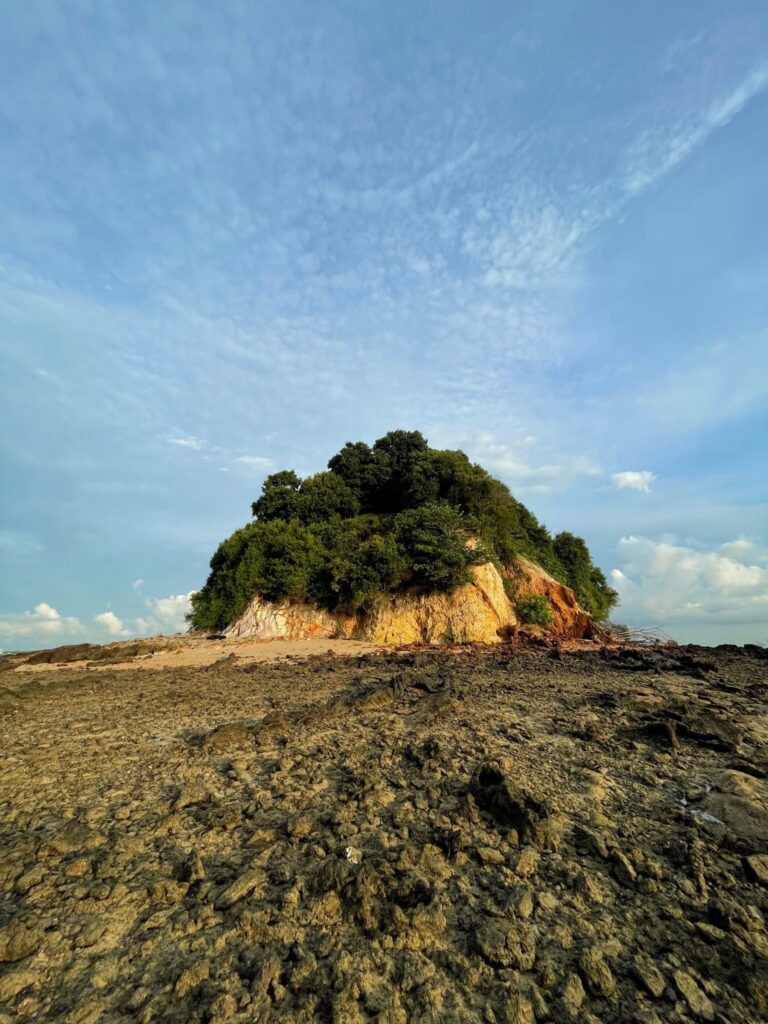
At the National Day Rally 2026, Prime Minister Lawrence Wong announced plans for the reclamation of the waters between Pulau Bukom, Pulau Sudong and Semakau Island to create a large new landmass for future industrial and defence needs. The reclamation profile presented also encompasses the smaller islands of Pulau Hantu, Pulau Jong and Pulau Sebarok and several submerged reefs including Beting Bemban Besar, Terumbu Pempang reefs, and Terumbu Raya.
These Southern Islands are home to some of Singapore’s most biodiverse and resilient intertidal habitats, coral reefs and seagrass meadows. Situated amid some of the world’s busiest shipping lanes, these ecosystems have persisted despite decades of sedimentation, coastal development and intensive maritime activity. These waters continue to support an extraordinary diversity of marine life, including nudibranchs, dugongs, turtles, sharks, giant clams and many other species. Annual mass coral spawning events also demonstrate the ecological importance of these reefs, with coral larvae contributing to the replenishment of reefs throughout Singapore’s southern waters, as well as artificial structures such as the sea walls around Tanah Merah Ferry Terminal and Marina Bay.
We therefore respectfully urge the Government to reconsider the proposed reclamation plans, for the following reasons:
1. Singapore has already lost a significant proportion of its coral reefs to coastal development.
Singapore has lost an estimated 60% of its coral reefs (1), many of which provide important coastal protection and help buffer shorelines against wave energy. Their roles may become increasingly important as climate change brings more extreme weather and rising sea levels.
2. These reefs represent irreplaceable natural heritage.
Reefs in this area have been found to be more than 8,000 years old (2). Their persistence, despite high levels of sedimentation and human disturbance, demonstrates remarkable ecological resilience. The biodiversity and ecological complexity that have developed over thousands of years cannot simply be restored, recreated or fully replaced through mitigation measures.
3. Their ecological importance extends beyond the reclamation footprint.
These coral reefs form part of an interconnected network of coral reef habitats, with coral larvae capable of dispersing between reefs across Singapore’s Southern Islands (3). Their loss could therefore have ecological consequences well beyond the immediate boundaries of the reclamation project.
4. These islands also hold important cultural heritage.
Semakau, Pulau Sakeng and Pulau Bukom were once home to Orang Laut communities. Their histories form part of Singapore’s maritime and cultural heritage. Further alteration or loss of these islands and their surrounding waters should therefore be considered not only as a land-use issue, but also as a question of cultural heritage and identity.
5. The environmental footprint of reclamation is two-fold.
At the reclamation site, the deposition of fill smother existing marine habitats, with no chance of local survival. Singapore has historically depended heavily on imported sand for land reclamation. Sand extraction has significant ecological and social impacts in source regions. The full environmental footprint of the project should therefore include both the impacts associated with obtaining reclamation material and those arising from its use in Singapore.
Preserve the Extraordinary Natural and Cultural Heritage of Singapore Archipelago
In light of the ecological and cultural significance of these Southern Islands, we respectfully ask the relevant agencies:
Q: What process and criteria were used to determine that the site is the most appropriate location for these new industrial and defence uses?
Q: What alternative locations were considered, and how were their environmental, economic, social and strategic impacts compared with those of reclaiming these Southern Islands?
Q: Before creating new land through reclamation, has the Government fully assessed opportunities to optimise land use, increase industrial density or repurpose existing industrial areas and already-developed islands?
Q: Where does the Government intend to procure the considerable volume of fill needed for this project? What will the Government do to ensure the sand sources are sustainable?
Committing to Biodiversity Conservation and a Sustainable Future
Singapore’s commitment to biodiversity conservation is embodied in our National Biodiversity Strategy and Action Plan (NBSAP).
Singapore has always been a city shaped by careful planning and a willingness to think long-term. As we plan for the next chapter of our nation’s development, we hope that the extraordinary natural and cultural heritage of our Southern Islands will be given equal consideration.
Development and environmental protection do not have to be opposing goals. We urge the Government to explore alternatives that allow Singapore to meet its future industrial and defence needs while safeguarding the marine ecosystems and cultural heritage that make our island nation unique.
Cicada Tree Eco-Place
References
Tanzil, J. T. I. et al. (2020). “Accreting coral reefs in a highly urbanized environment.” Coral Reefs.
Siddiqui, N. et al. (2025). “Holocene coral assemblages reveal similarities to living communities in Singapore’s urban reef environment.” Palaeogeography, Palaeoclimatology, Palaeoecology.
Tay, Y. C., Todd, P. A., Rosshaug, P. S., & Chou, L. M. (2012). Simulating the transport of broadcast coral larvae among the Southern Islands of Singapore. Aquatic Biology.
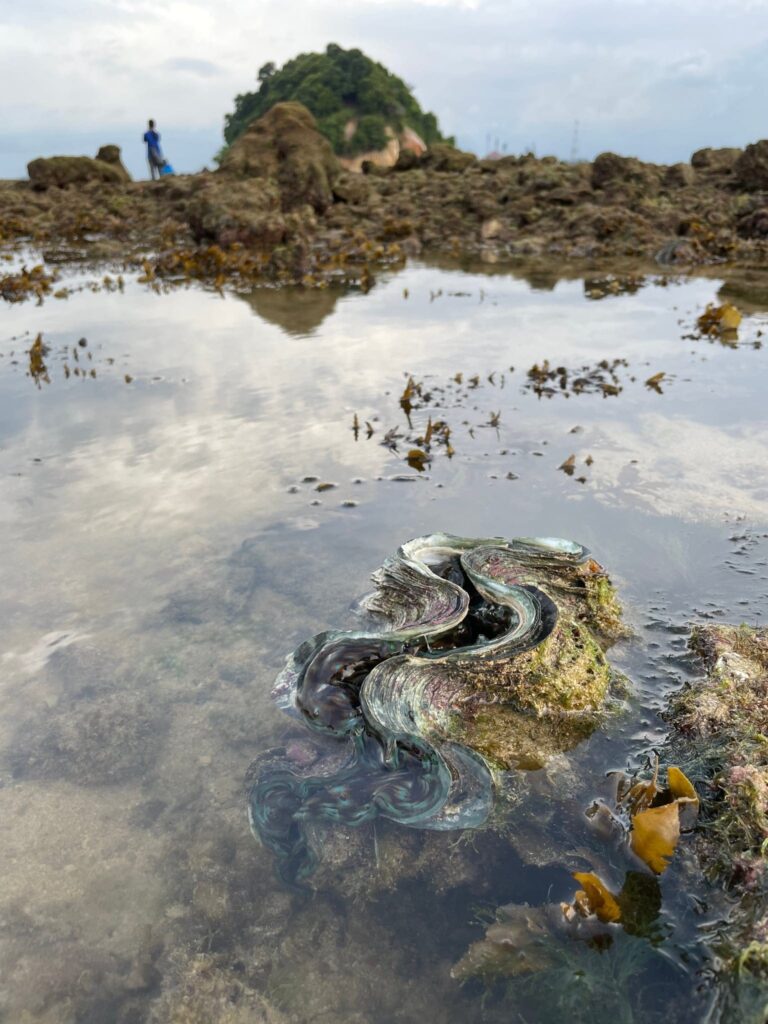
Photo credit: Dr Neo Mei Lin
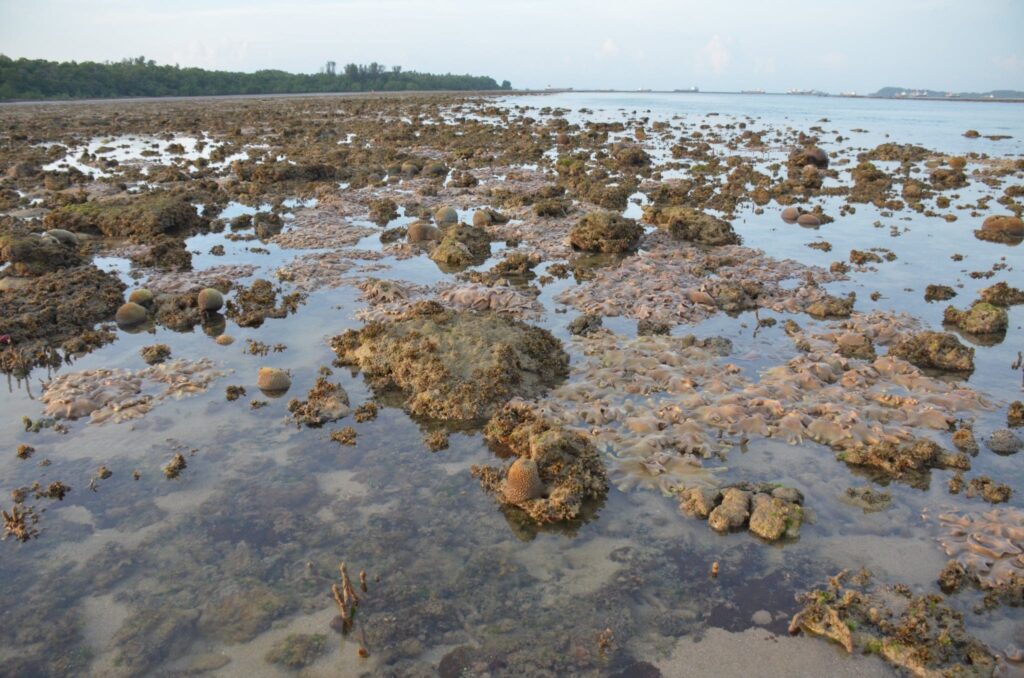
Photo credit: Dr Neo Mei Lin
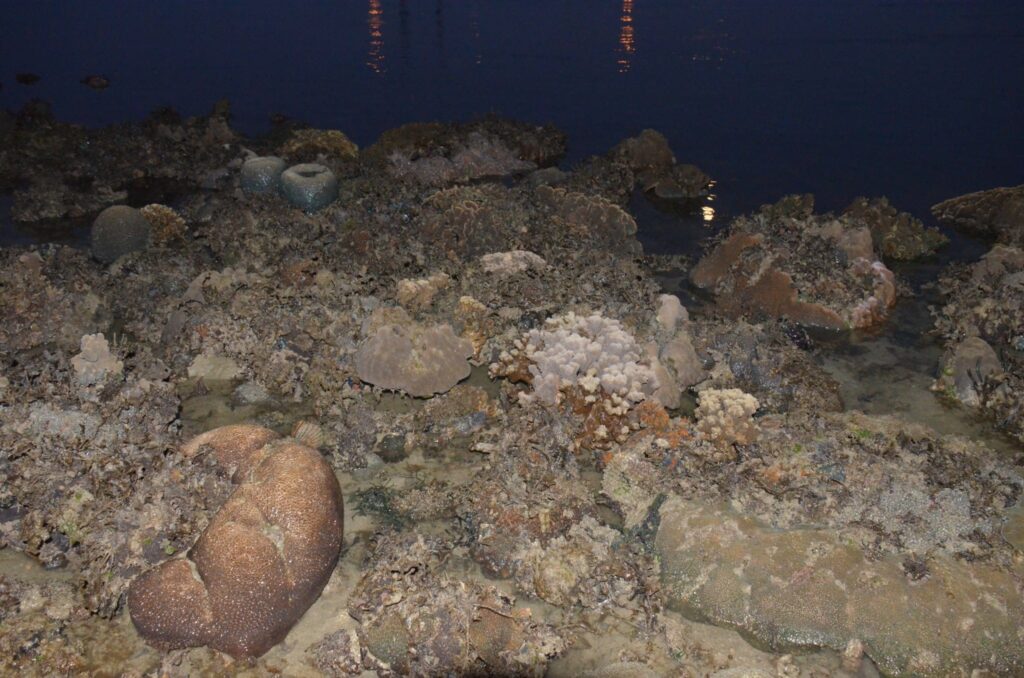
Photo credit: Dr Neo Mei Lin