Category: News Page 8 of 14

Pang Sua Woodland: Sanctuary Unveiled Along the Rail Corridor

Pang Sua Woodland: Sanctuary Unveiled Along the Rail Corridor (2021) Cicada Tree Eco-Place & Nature Society Singapore. COVER PHOTO: Nicholas Yeo

Book Launch: “Pang Sua Woodland: Sanctuary Unveiled Along the Rail Corridor”

Cicada Tree Eco-Place (CTEP) and Nature Society (Singapore) (NSS) are pleased to announce the launch of the book “Pang Sua Woodland: Sanctuary Unveiled Along the Rail Corridor”.

“Pang Sua Woodland: Sanctuary Unveiled Along the Rail Corridor” is a labour of love by volunteers of Cicada Tree Eco-Place and Nature Society (Singapore). Both organisations are ‘Friends of Rail Corridor’.

The book was inspired by NSS’ publication “The Green Rail Corridor” (2019) and is a collaboration between the two non-profit, non-governmental organisations dedicated to nature appreciation, education and natural heritage conservation.

Nestled between housing estates in Choa Chu Kang and Bukit Panjang, Pang Sua Woodland is unassuming at first glance. Yet, this green oasis is a critical lifeline for both people and wildlife and should be preserved.

The woodland is a microcosm of Singapore and the world at large. Conserving small pockets of precious biodiversity and wild greenery is critical to solving the existential crisis facing all of humanity.

The book proposes for the conservation and protection of the woodland from urban development. By rewilding the woodland and naturalising Sungei Pang Sua, the forest would be reimagined as a permanent public park with a natural winding stream, marshy ponds and community orchards.

An important conduit for wildlife dispersal, the park would form an eco-link between Kranji Woodland and Bukit Mandai Forest in the north, Pang Sua Pond wetland in the east, as well as Bukit Gombak Forest and Bukit Timah Nature Reserve. This park would also preserve the rural heritage of Bukit Panjang.

“COVID-19 has revealed the profound impact of a pandemic in an intensely concentrated and connected world. In Singapore and elsewhere, people find themselves realising how deeply interconnected humans are with each other and with nature,” said book editor Teresa Teo Guttensohn, Co-founder and Ex-President of Cicada Tree Eco-Place.

Guttensohn added: “Even as we rush to plant native tree saplings, what is critically needed in tandem is to halt the relentless whittling away of our last remaining precious forest fragments for urbanisation. Once lost, Pang Sua Woodland cannot be replaced. Regretfully, the area is slated for residential development when, instead, it should be protected and preserved.”

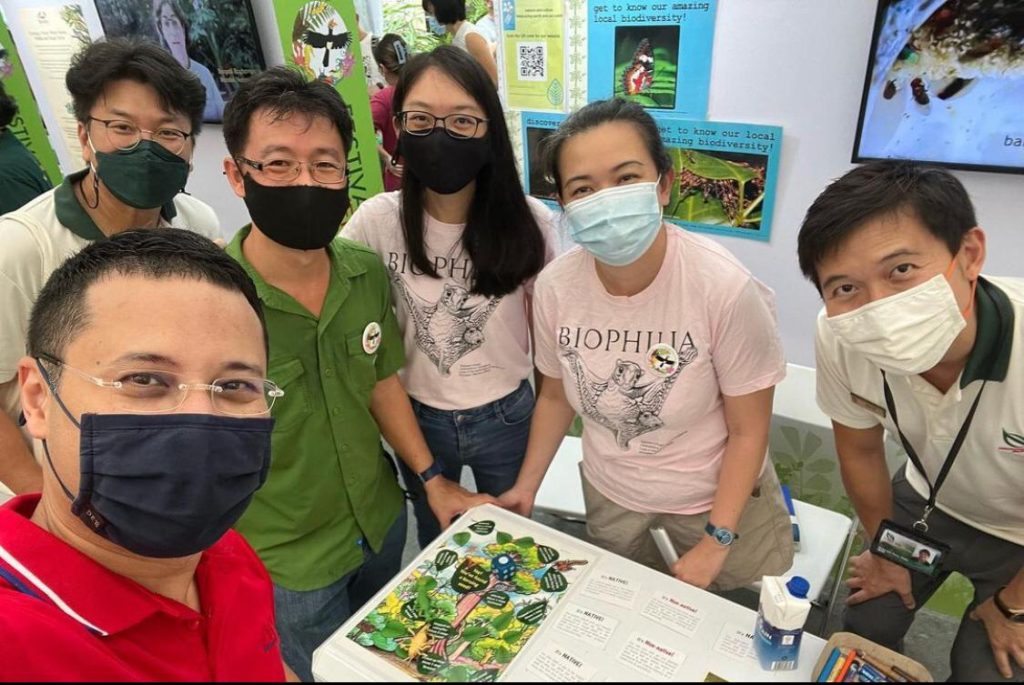
Editorial team members Teresa Teo Guttensohn (centre), Leong Kwok Peng (right) and Nicholas Yeo.

Nature – our life support system – is itself on life support. We must therefore protect every last remaining unprotected forest and wild greenery. Stemming ecosystem loss is a nature-based solution which will strengthen climate, ecological and social resilience in a post-pandemic world.

BOOK EDITORIAL TEAM

Pang Sua Woodland is highly accessible and therefore ideal to educate kids and students in the neighbouring estates about our native fauna. Community surveys of the woodland show how it is an important habitat and conduit for animals which include Otters, Civets, Spotted Wood Owls and Changeable Hawk-eagles, among others.

“The railway land is a ready-made nature corridor, recreational space and eco-friendly transport route all rolled into one. It is a valuable piece of ecological and historical heritage that should be kept for future generations of Singaporeans,” said Leong Kwok Peng, a co-editor and Conservation Committee Chair at Nature Society (Singapore).

Leong added: “Many members of the public enjoy the rustic nature of the Rail Corridor, There, one is transported back in time and gets the feeling that you are not in Singapore. Further urbanisation there would diminish its ecological function and scenic value — without which the Rail Corridor would lose much of its charm and magic.”

The book unveils a sanctuary hidden in plain sight along the northern stretch of the Rail Corridor, documented in beautiful prose and vibrant photography by volunteers.

Connecting past and present, the book also documents the rich heritage and communities of Bukit Panjang, articulating a biophilic vision for its development as a space for recreation and green connectivity.


Purchase

The book is presently stocked at Books Kinokuniya, Book Bar at 57 Duxton Road, Grassroots Book Room, Nature Society Singapore & Bollywood Farms. To buy online, you may order a copy from Books Kinokuniya using the button below:

For distribution enquiries, please contact us.

Media

Coverage of the book and rich fauna at Pang Sua Woodland in Lianhe Zaobao, Sunday 14 March 2021.

A Case for the Rewilding of Sungei Pang Sua: A Lesser-known Oasis – Ming En Liew, The Home Ground (23 March, 2021)

TheHomeGround joins Andrew Tay, a licensed nature guide, on a walk at Pang Sua, to catch a glimpse of what makes this land so special.


Re-opening of Rail Corridor (Central) and Tree Planting by NParks and Friends of the Rail Corridor

Photo: Minister Desmond Lee on Facebook

A 4-kilometre stretch of the Rail Corridor (Central) was re-opened at an event on Monday, 22 March 2021 by Minister Desmond Lee and Friends of the Rail Corridor.

The stretch was closed for refurbishment works, including the addition of extra access points, improved trails and natural landscape re-wilding.

“When fully re-opened in end-2022, it will be a seamless green corridor from Woodlands Road in the north, to Tanjong Pagar in the south,” said Minister Lee.

The groups which attended included Cicada Tree Eco-Place, NSS, SHS, BES Drongos, and the occasion was marked by a tree planting.

Teresa Teo Guttensohn of Cicada Tree Eco-Place and Leong Kwok Peng of Nature Society (Singapore) presented signed copies of the book “Pang Sua Woodland: Sanctuary Unveiled Along the Rail Corridor” to Minister Desmond Lee after the event.

World Wildlife Day 2021

World Wildlife Day is the most important global annual event dedicated to wildlife.

On 20 December 2013, at its 68th session, the United Nations General Assembly (UNGA) proclaimed 3 March – the day of signature of the Convention on International Trade in Endangered Species of Wild Fauna and Flora (CITES) in 1973 – as UN World Wildlife Day to celebrate and raise awareness of the world’s wild animals and plants.

World Wildlife Day 2021 is themed “Forests and Livelihoods: Sustaining People and Planet”. It highlights the central role of forests, forest species and ecosystem services in sustaining the livelihoods of hundreds of millions globally.

Between 200 and 350 million people live within or adjacent to forested areas around the world, relying on the various ecosystem services provided by forest and forest species for their livelihoods and to cover their most basic needs, including food, shelter, energy and medicines.

Forests, forests species and the livelihoods that depend on them currently find themselves at the crossroads of the multiple planetary crises we currently face, from climate change, to biodiversity loss and the health, social and economic impacts of the COVID-19 pandemic.

Learn more about World Wildlife Day at the United Nations official site.

Tree Planting at Jurong Lake Gardens & MacRitchie Reservoir

Volunteers and friends from Cicada Tree Eco-Place continue to plant trees for nature!

Teresa Teo Guttensohn representing Cicada Tree Eco-Place planted 3 trees at Jurong Lake Gardens last Saturday on 26 September 2020.

Some of the trees planted included native and endangered species: Sterculia rubiginosa, Sterculia cordata, Sterculia parviflora, Calophyllum soulattri, Pometia pinnata.

Jurong Lake Gardens

MacRitchie Reservoir

Volunteers planted 15 trees, including the critically endangered Gaharu Tree at MacRitchie Reservoir.

The total count of trees planted thus far in support of Nparks’ One Million Trees Movement is 110+3+15=128 trees.

Pesta Ubin 2020 – A Million Thanks for 110 Trees Planted!

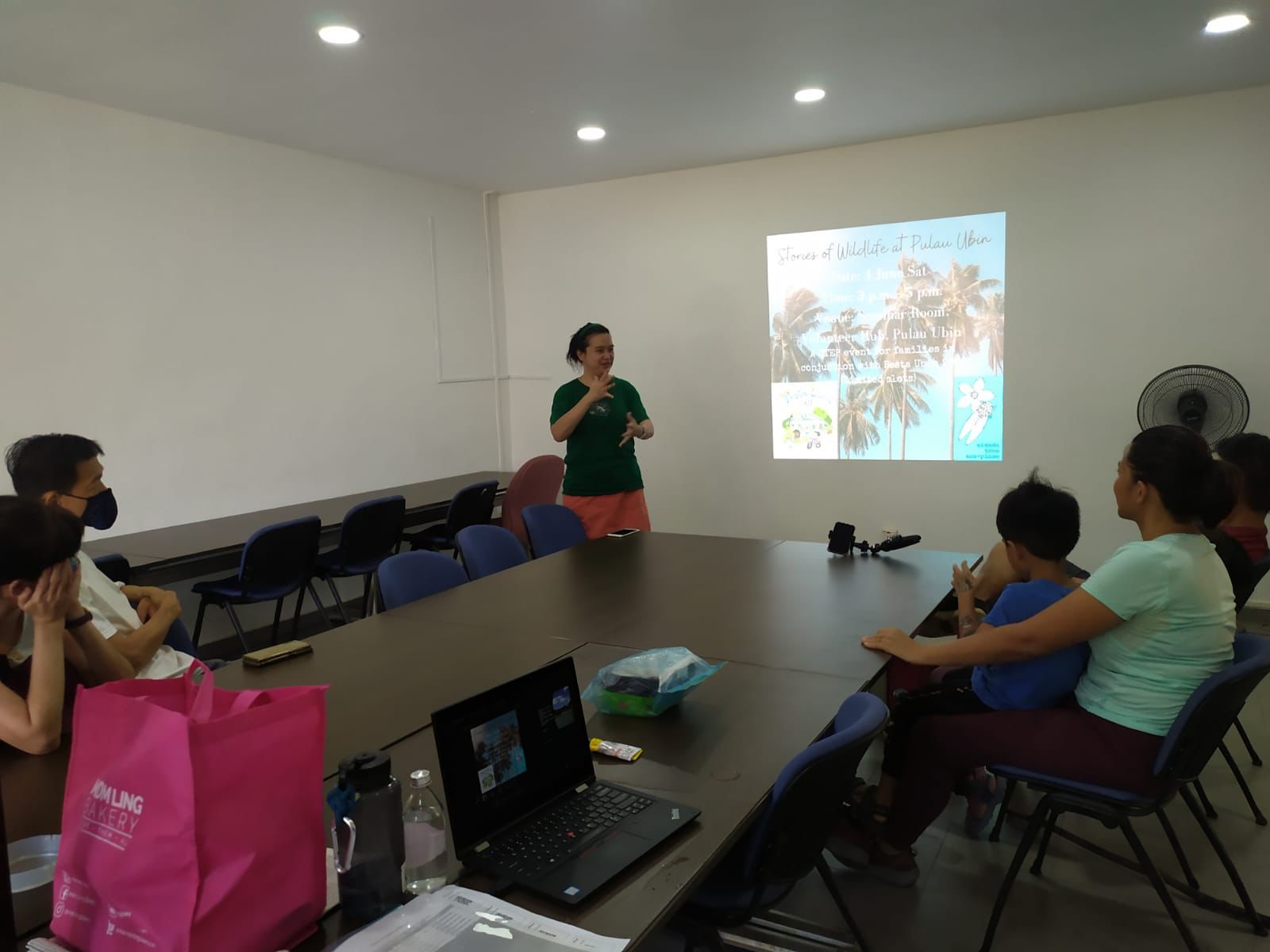
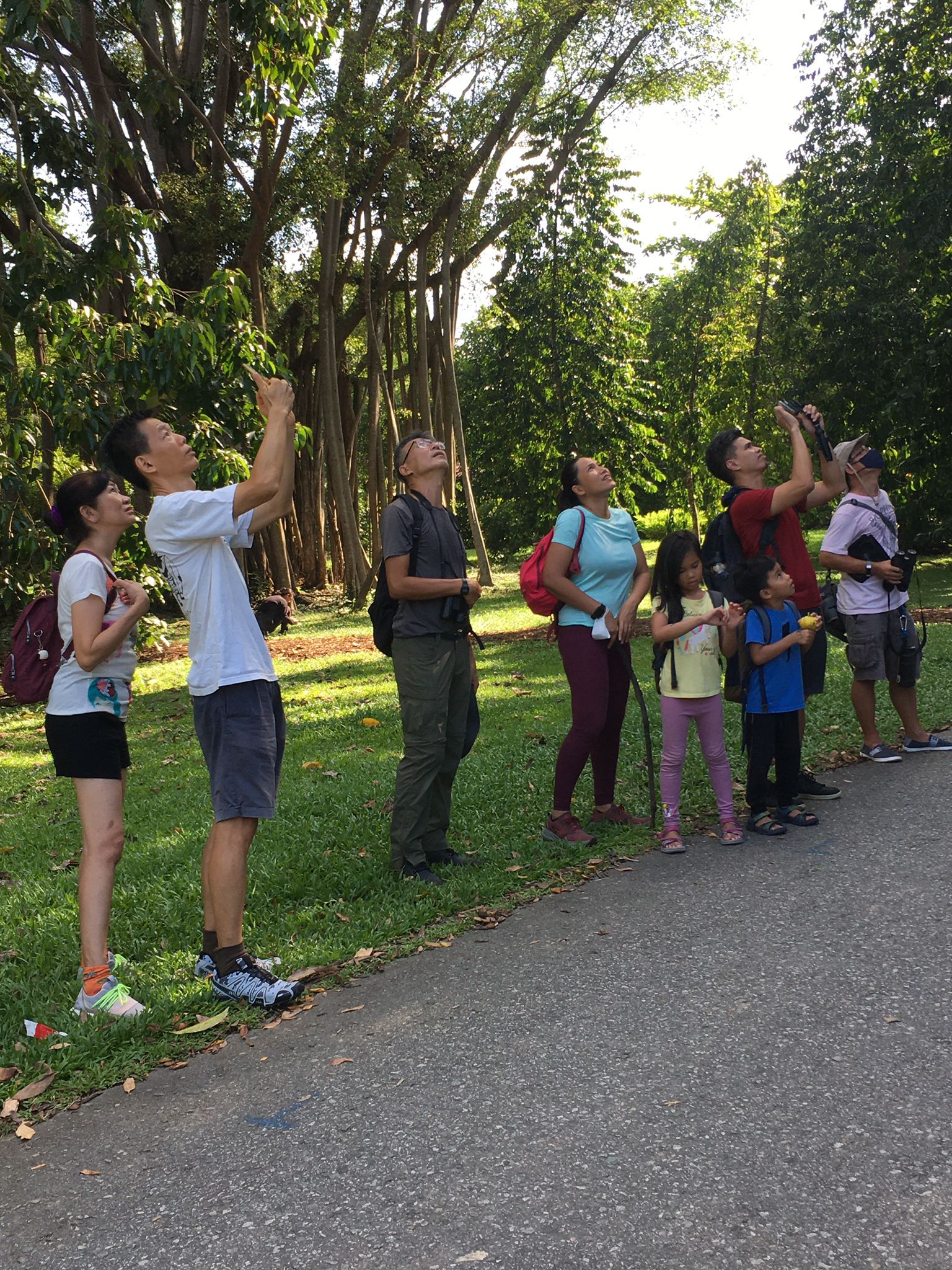
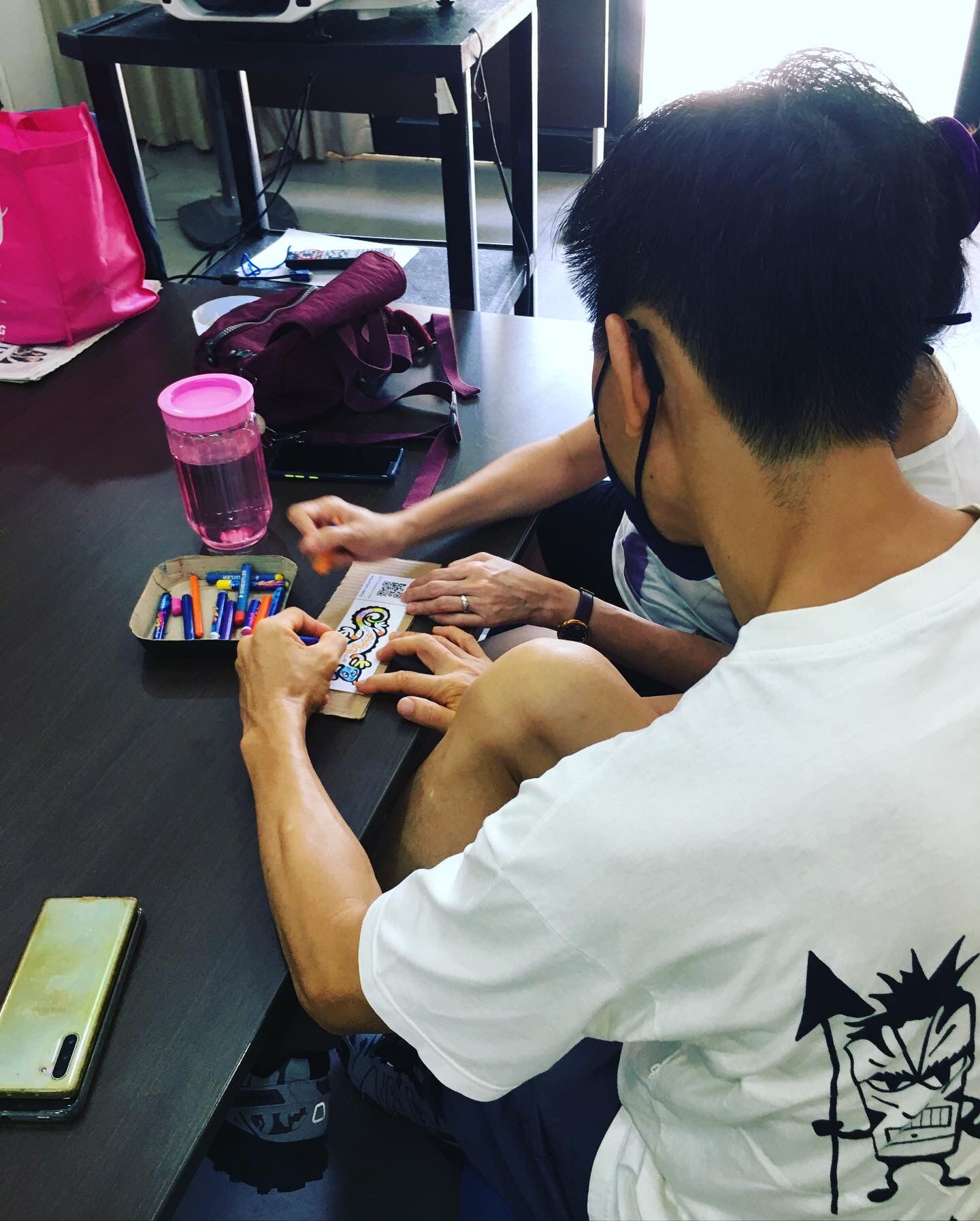
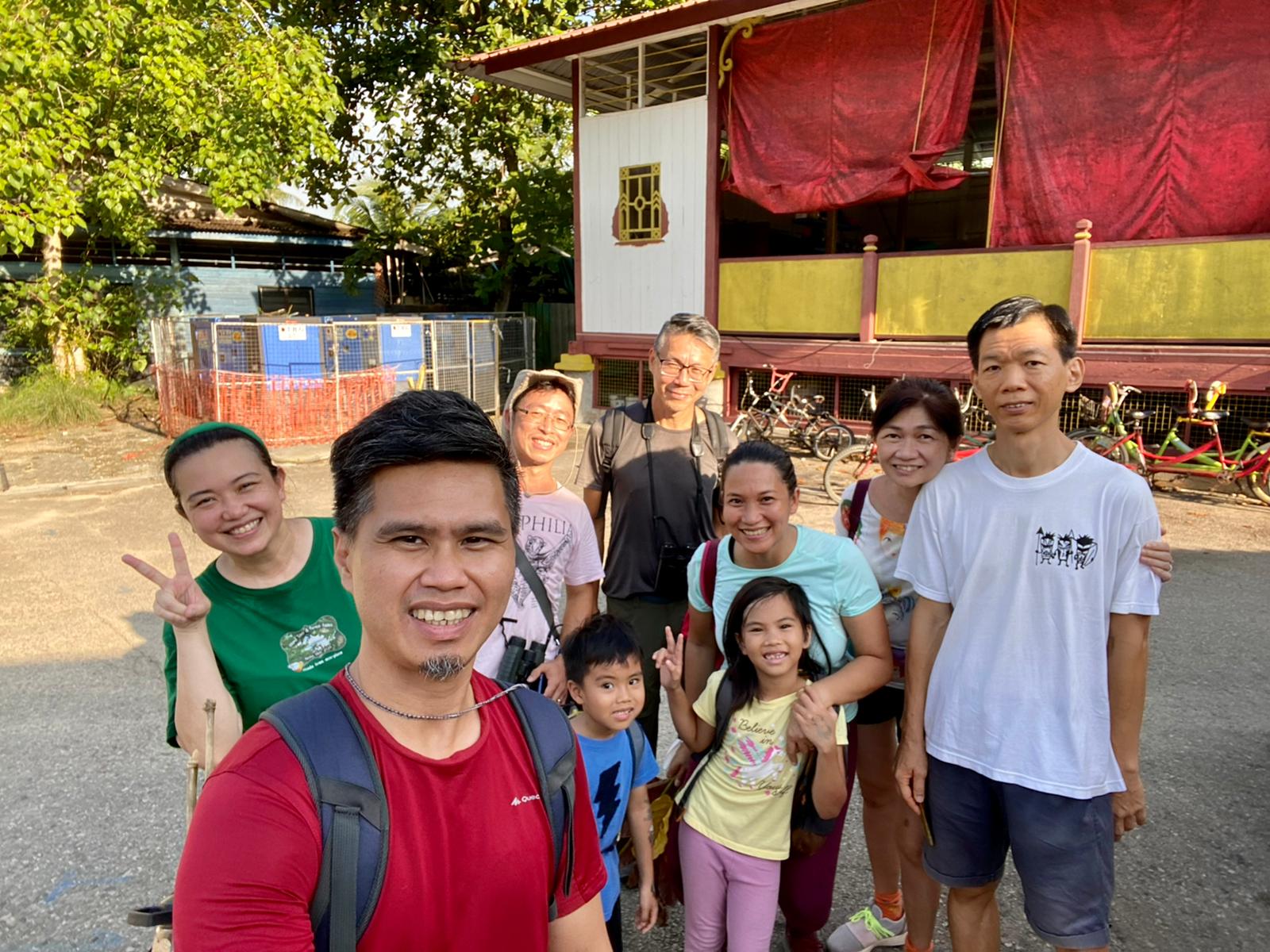
Participants and volunteers at Island Tales and Forest Fables @ Pesta Ubin 2020, a first of its kind storytelling and culture event organised by Cicada Tree Eco-Place and supported by NParks, on Saturday, 12 September 2020.

A million thanks to all our wonderful family participants, storytellers, tree planting volunteers from ActiveSG Pasir Ris Sport Centre, volunteer crew from Cicada Tree Eco-Place and NParks team who planted 110 trees as part of Pesta Ubin 2020 and One Million Trees movement.

Tree Planting

Jalan Jelutong tree planting site.

Jln Jelutong was a piece of quarry wasteland reclaimed from the sea during granite quarry operations in the past.

The tree planting initiative is part of One Million Trees movement which aims to restore nature back into our City through the planting of more than a million trees across Singapore over the next decade.

Click to view photos:

Over 16,000 trees from over 70 native species will eventually be planted at Balai Quarry South, Sungei Teris and Jalan Jelutong on Pulau Ubin.

Despite the sun and torrential rain, our volunteers persisted and successfully planted 110 trees!


Interactive Storytelling

As part of Pesta Ubin 2020, our interactive, socially-distanced storytellers also shared about the history and legend of Pulau Ubin.

Ubin is known as “Granite Island” in Malay. Today, it is one of Singapore’s last traditional kampongs with less than 50 residents.

Ubin is also home to Chek Jawa, an unprotected wetland ecosystem that was saved from land reclamation in the early 2000s.

As the story goes, the island was formed when three animals from Singapore – a frog, a pig and an elephant – challenged each other to a race to reach the shores of Johor.

The animals that failed would turn to stone.

All three failed to swim across. Therefore, the elephant and pig turned into Pulau Ubin whilst the frog became Pulau Sekudu or Frog Island.

Thanks to all our family participants and tree planting volunteers from ActiveSG, Pasir Ris Sport Centre – Urban Farming Interest Group as well as our volunteer event crew from Cicada Tree Eco-Place:

Teresa Guttensohn, Tia Guttensohn, Sean Guttensohn, Jabriel, Amanda Ang, Balakrishnan Matchap, Lisha Raghani, Jelaine Ng Sha-Men, Angela Pinto, Lim Li Fang, Kripa Dubey, Dr George Jacobs, Dr Denise Dillon, Joleen Chan, Jeffrey Roslan, Fatin Syahirah, Farhan, Richard Tan, Rosemary Chan, Susan Kueh.

More photos of our volunteers hard at work:


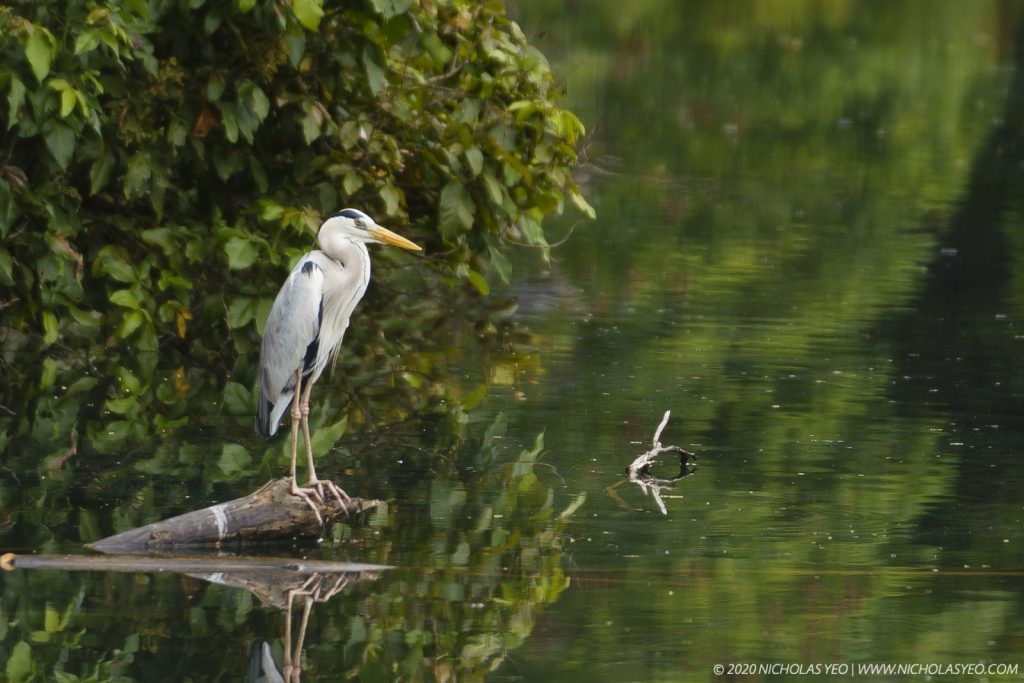
Grey Heron (Ardea cinerea) at the nearby Pekan Quarry, where NParks piloted a floating wetlands system in 2015. 10 heron-nesting structures have been deployed there.

Ubin: A Refuge for Wildlife

In other news, a comprehensive biodiversity survey of Pulau Ubin since 2018 has found over 20 new species of fauna, said Mr Desmond Lee, minister for National Development on the occasion of Ubin Day.

This includes the new spider species Piranthus sp. – characterised by bright reddish-orange pairs of front legs in the females.

Deputy Prime Minister Heng Swee Keat was taken on a tour of the island and planted a tree there on Ubin Day:

https://www.facebook.com/195137123858154/posts/3390880210950480/

Learn more about the discoveries below:

https://www.facebook.com/desmondtslee/posts/4782242551786649
READ MORE: 20 new species of fauna recorded on Pulau Ubin, including new type of spider: CNA

Page 8 of 14

Powered by WordPress & Theme by Anders Norén